
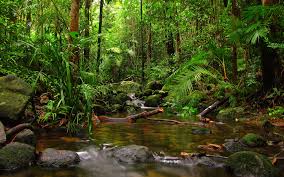
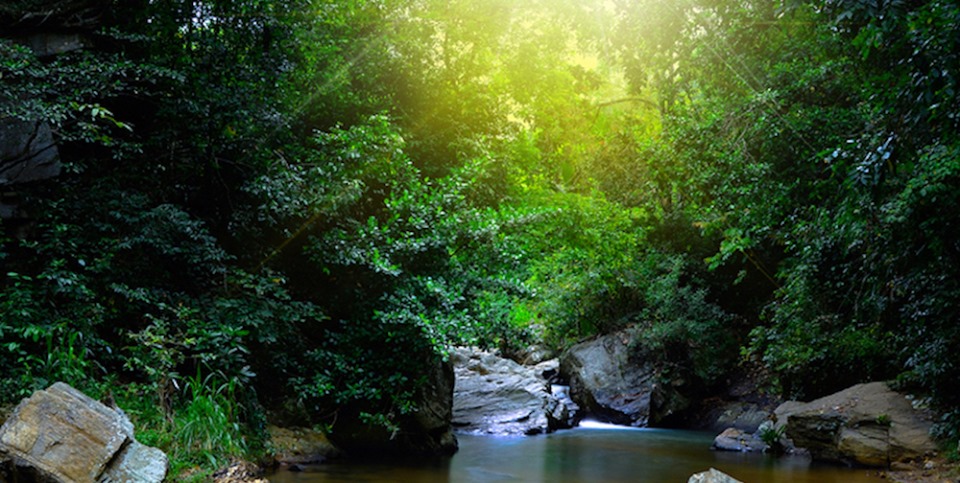
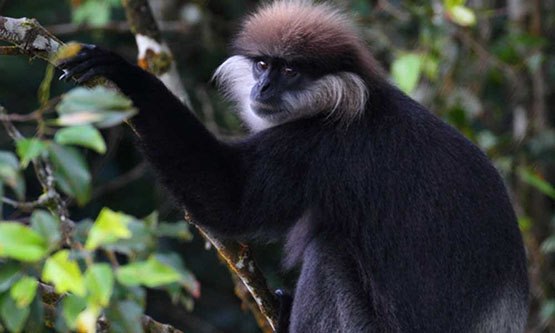
Sinharaja forest is a national park and biodiversity hotspot in Sri Lanka. It is of international significance and has been designated a Biosphere Reserve and World Heritage Site by UNESCO. And also, it is one of the least distributed and biologically unique lowland rain forests in Sri Lanka. This forest covers an extent of about almost 12000 hectares from east to west. The length of the forest is about 21km from south to North. It was declared a Man and Biosphere Reservation in1978. It situates in the southwest lowland wet zone of the country in the district of Rathnapura and Galle. Annual Temperature in here is 23.6 and Annual Rain falls is more than 2500mm where it distributes during the two monsoons which is May to July and October to December.
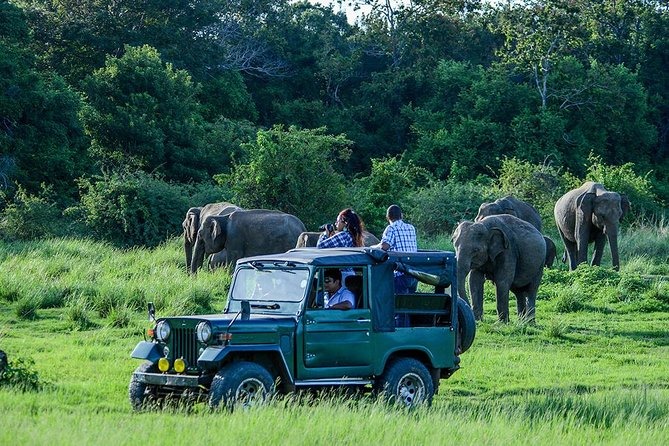
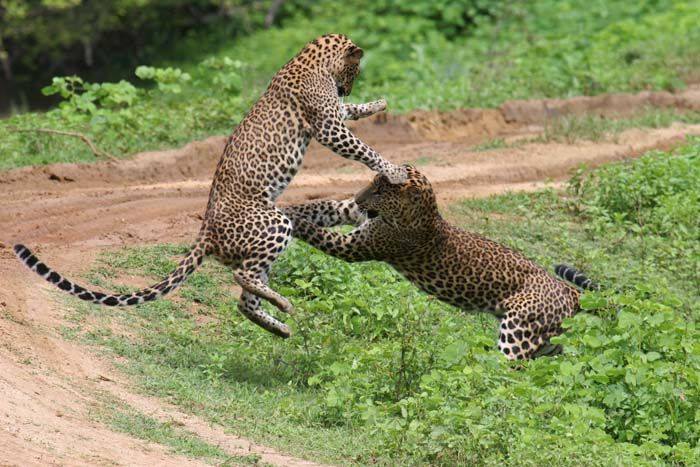
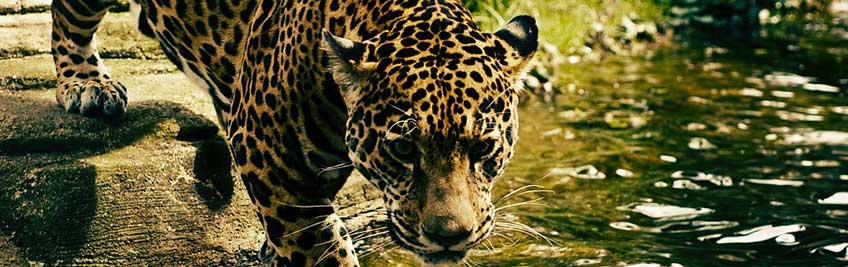
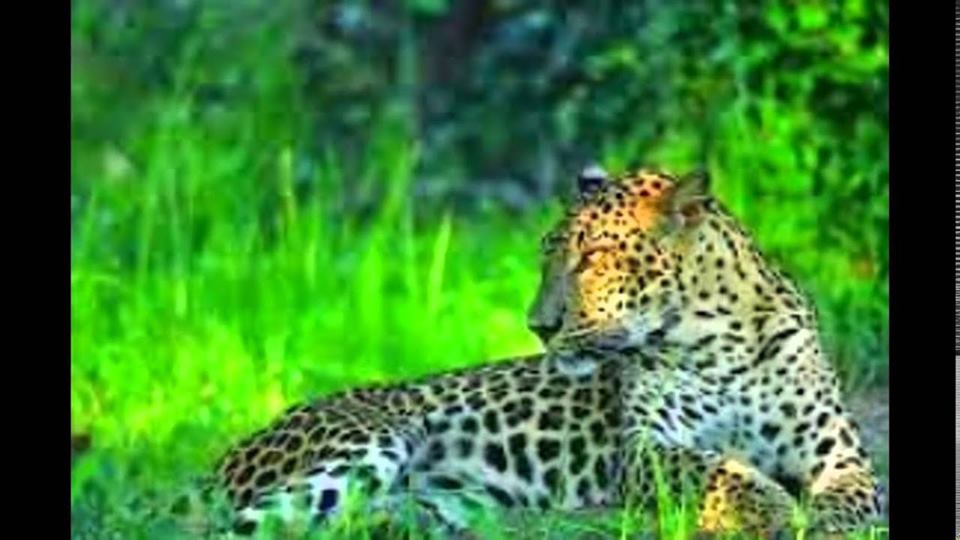
Two important rivers; namely the Gin and Kalu Ganga (Rivers) and many other waterways are fed and nourished by the waters that flow from thisverdent forest reserve. The forest cover is denser than other dry zone parks making it more secure for the wildlife yet making it a little harder for visitors to take a glimpse of the larger mammals such as the Leopard and Elephants.
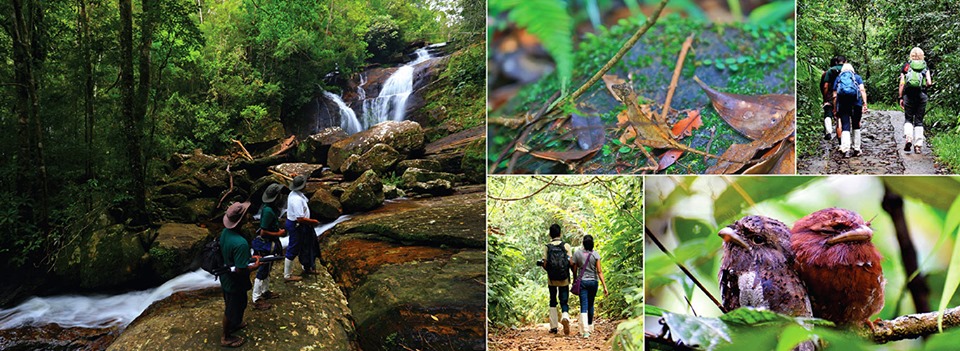
Sinharaja has recorded over 154 species of birds and is known to have a ‘mixed-species feeding flocks’ or informally called a ‘bird wave’ where two or more species feed and move together. This unique sight witnessed at Sinharaja sometimes consists of flocks containing 30-50 birds of various species sometimes 10-12 species, erupting in various bird sounds as they feed and move within a short time. Taking lead in this exercise is the Orange-billed babbler and the Crested drongo.
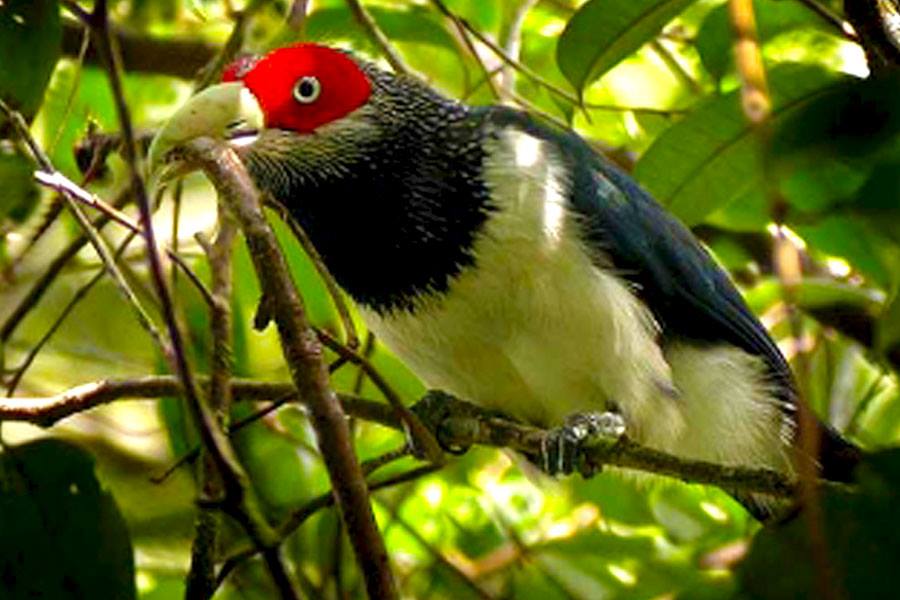
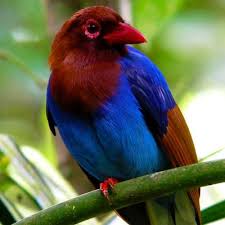
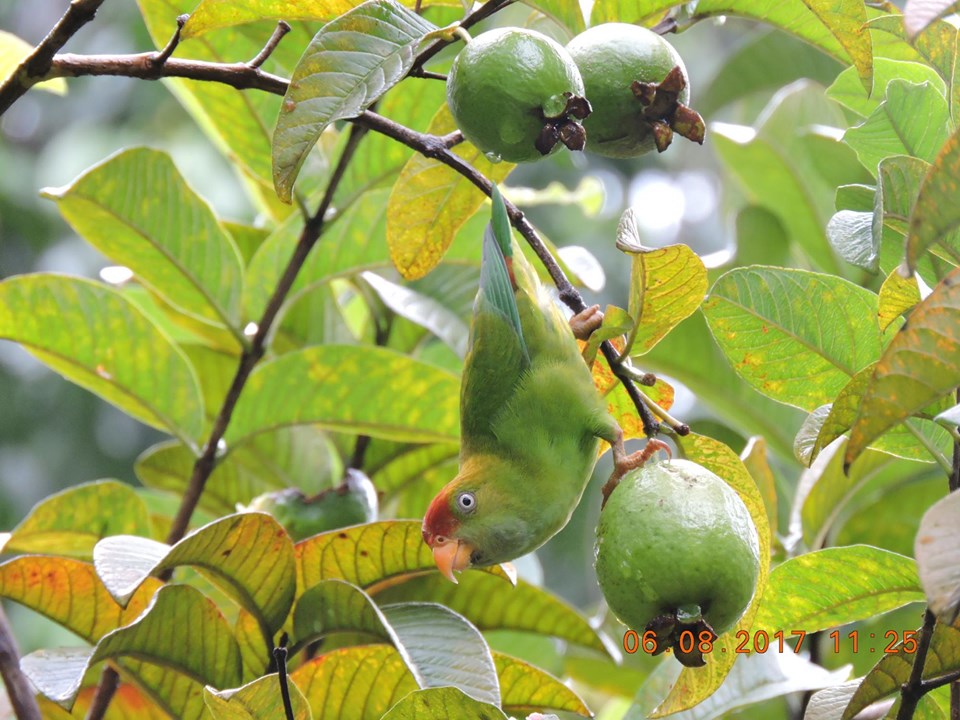
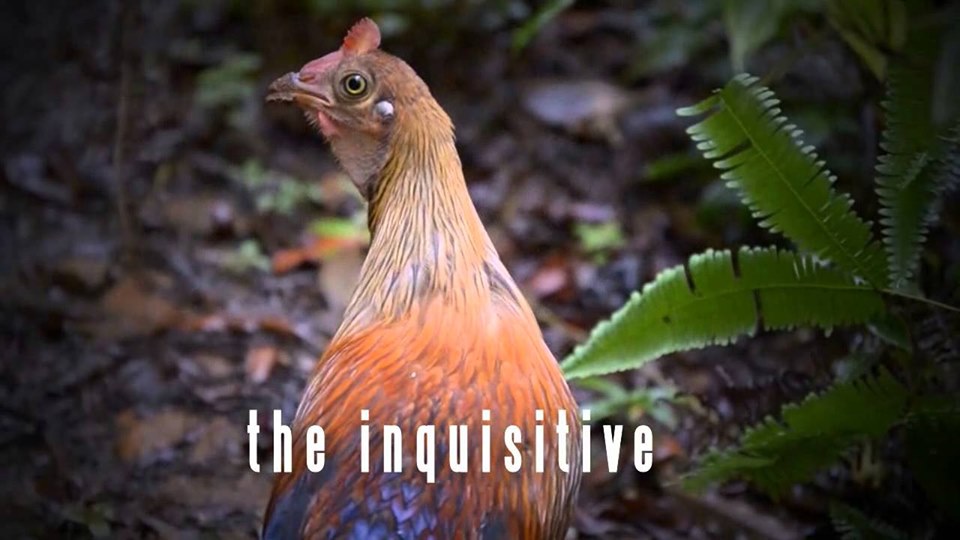
The endemic birds witnessed here include Ceylon Lorikeet, Layard’s parakeet,
Jungle & Spur fowl, Sri Lanka Blue magpie, Sri Lanka Grackle, Ceylon
Hanging parrot, Ceylon Grey hornbill, Ashy-headed laughing thrush, Layard’s
parakeet, Spotted-wing thrush, Brown-capped babbler, Ceylon Hill mynah, Red
faced malkoha, Legge’s flower-pecker amongst many others.
Sinharaja Rain Forest is a narrow strip of undulating terrain consists of a series of ridges and valleys drained by an intricate network of streams, which flow into the Gin Ganga on the southern boundary and Kalu Ganga, via the Napola Dola, Koskulana Ganga and Kudawa Ganga, on the northern boundary.
Nature trails of Sinharaja Rain Forest
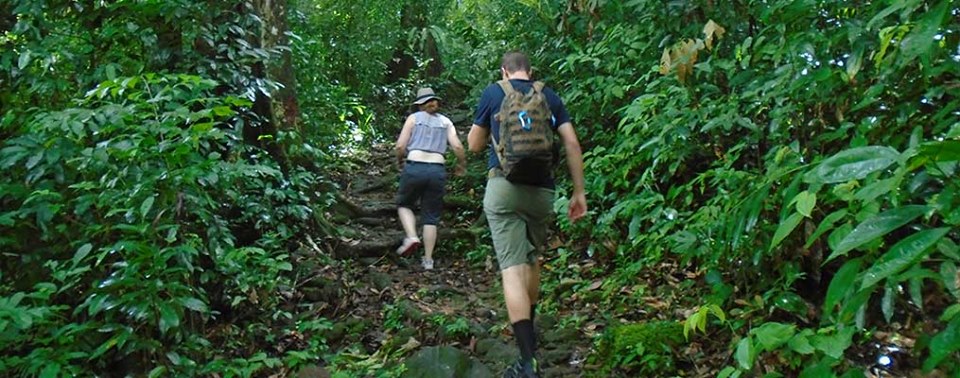
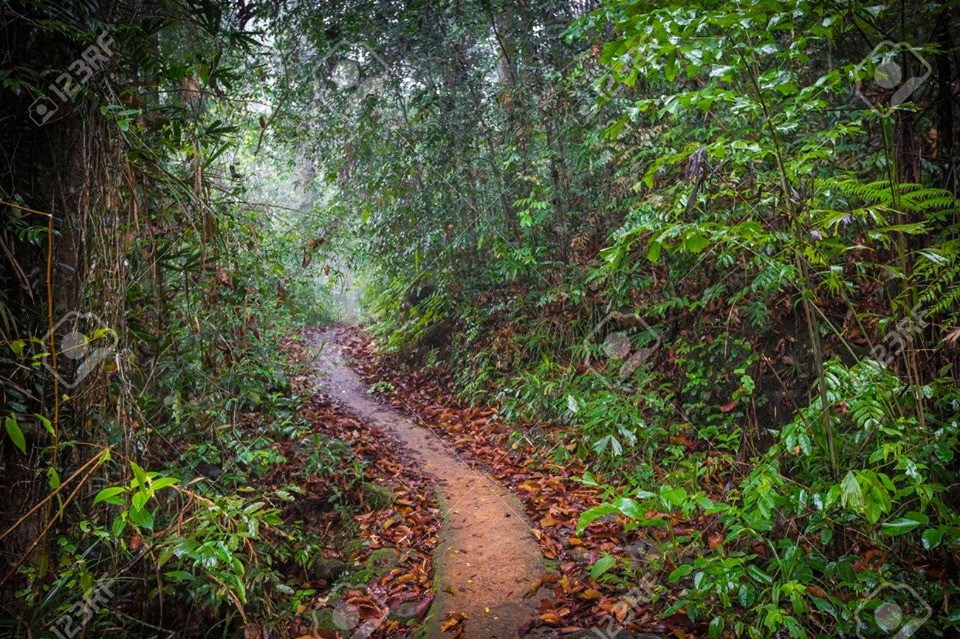
The two main nature trails of Sinharaja Rain Forest are those lead to the peak of Moulawella and the peak of Sinha gala. Both of these nature trails begin at Kudawa Conservation Centre (KCC) are equally enjoyable and enlightening. The forest is densely crowded with tall trees growing in close proximity, but winding trails make the trekking. Small streams of crystal-clear cool water, that is home to a variety of fish, toads and crabs, crisscross the trails. And the mixed species of birds are seen in the canopy of woods.
Mountain Peaks of Sinharaja Rain Forest
There are several mountain peaks in the eastern side of the Forest Reserve.
•Hinipitigala Peak
•Dotugala Peak
•Mulawella Peak
•Kosgulana
•Hinipitigala West
•Hinipitigala East
•Pathinigala
•Sinhagala
•Tibbotagala
•Kohilarambe
Rivers of Sinharaja Rain Forest
•Koskulana Ganga
•Maha Ganga
•Kudawa Ganga
•Maha Dola
•Pitakele Ganga
•Gin Ganga
•Kalukandawa
•Gin Ganga
•Napala Dola
•Aranuwa Dola
Things to do in Sinharaja
•Bird Watching
•Trekking
•Photography
•Explore the Nature
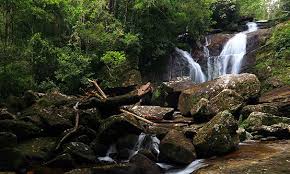
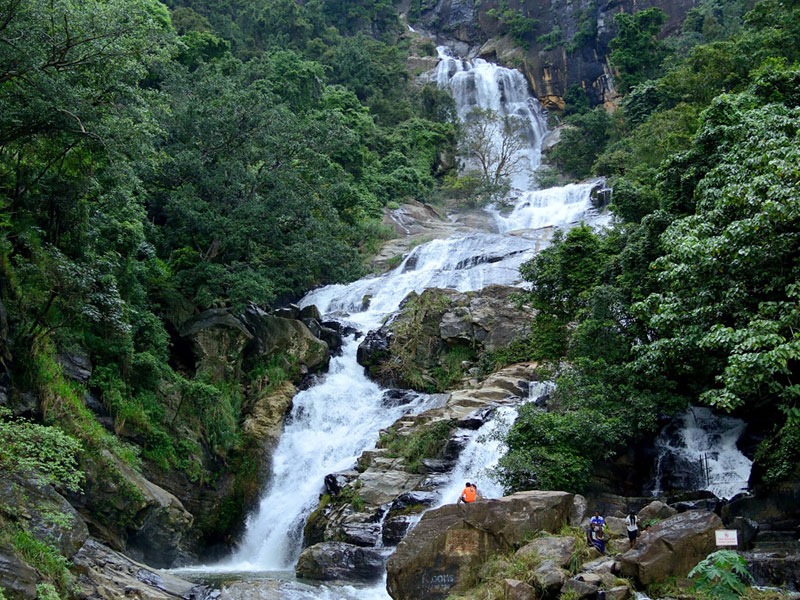
•Explore the water falls and activities (Galadola Ella, Handapan Ella falls etc.)
•Visit historical places (Maduwanwela walawwa etc)
•Forest camping
•Forest safari
 Sri Lanka Pearl of Asia