“To Follow our Bliss and Dive deeply in to the mysteries of fragrance, Colour and Taste”
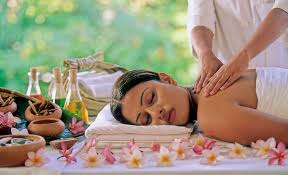
The Concept of Ayurveda is old as the civilization of mankind. This had taken many turns. Inherited many an ideology along the passage of time. Getting refined in to a fine art. The word “Ayurveda” made two syllables. The first part “Ayur” means long life, “Veda” means science. A man who wishes to live a long and healthy life should follow this concept. Ayurveda shows how you can achieve this long and healthy life; the basic rule or law is to live among and to take care of oneself with nature. The creatures living on the surface cannot live under water and those that live is considered as the mother of all beings, and that all living creatures are dependent on nature for their survival; everything revolved around nature and nature itself brings up.
Preserves its creations. Ayurveda strictly follows the rules of nature, as it point out: what when why how much to eat, work, rest, wash, bathe, which helps us to lead a perfectly healthy life. There are two divisions in Ayurvedic Treatment
To
protect the health of oneself
To
take care of the sick
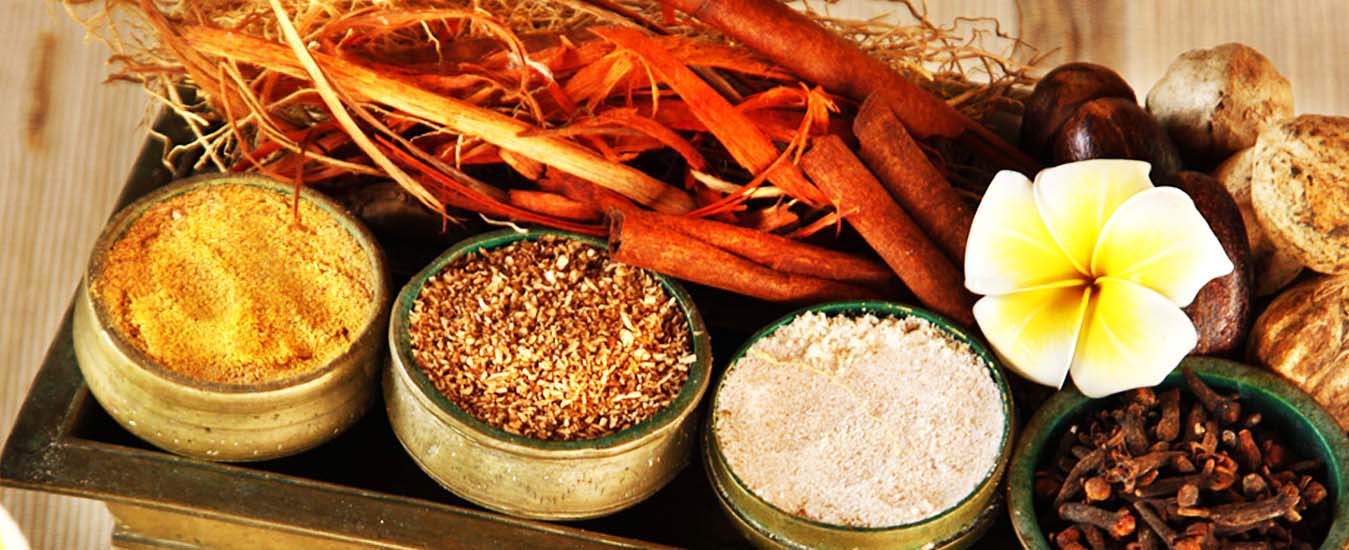
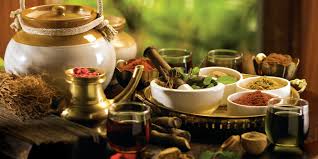
To lead a healthy life one has to follow the Ayurvedic principles. To take care of the sick the Ayurvedic physician has to get a thorough knowledge so that he could determine whether the invalid is ill mentally or physically or both. Where for each patient, the physician has to diagnose the roof of the cause and treat it accordingly. Since when the root of the illness would not rise again. Almost all prescriptions used in curing are produced by raw materials found naturally, where no artificial substances are used. These would come from roots, stems, barks, leaves, flowers, seeds, fruits & nuts of many a plant. From animals milk honey pearls musk shells and from earth iron silver copper and gold are used.
Ayurvedic drugs do not harm to the organs of the body and do not give rise to any side effects. It has been shown in medical studies that drugs used in Ayurveda act as nutrients.
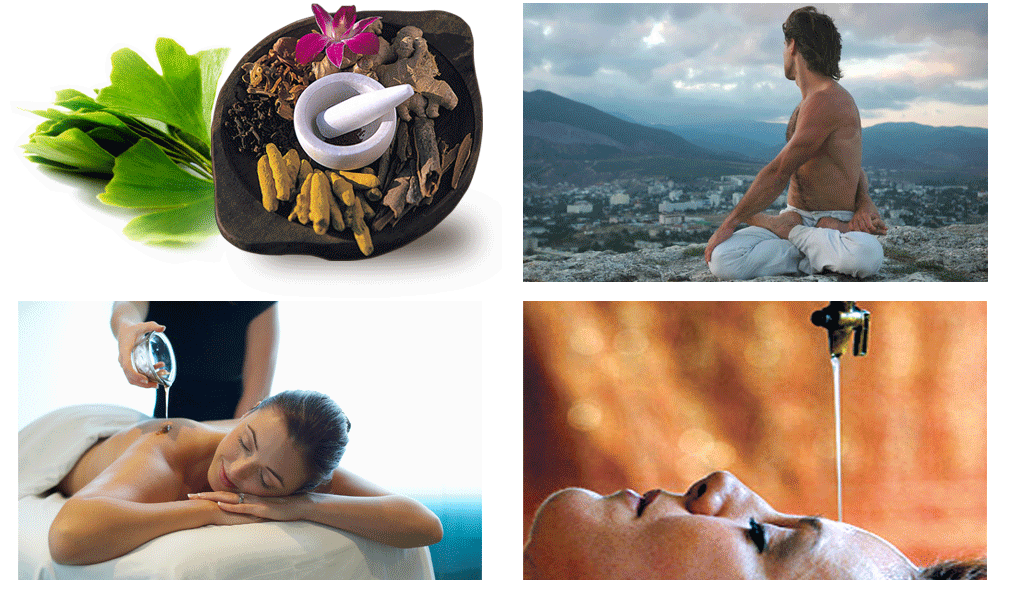
Panchakarma is a another effective from of Ayurvedic treatment various effect that take place when the human system grows old could be minimized or reversed by applying principles of Ayurvedic treatment. Ayurveda is an ancient from of healing which had been improved through generations of healers who have thought of nothing but the well-being of the living. One could find many a proficient physician of Ayurveda in Sri Lanka.
Ayurveda Wellness in Sri Lanka
Ayurveda has long been the main system of health care in Sri Lanka, although conventional (Western) medicine is becoming more widespread there, especially in urban areas. About 70 percent of Sri Lanka population lives in rural areas; about two-thirds of rural people still use Ayurveda and medicinal plants to meet their primary health care needs. In addition, most major cities have an Ayurvedic college and hospital. Ayurveda and variations of it have also been practiced for centuries in Pakistan, Nepal, Bangladesh, and Tibet. in the late 20th century.
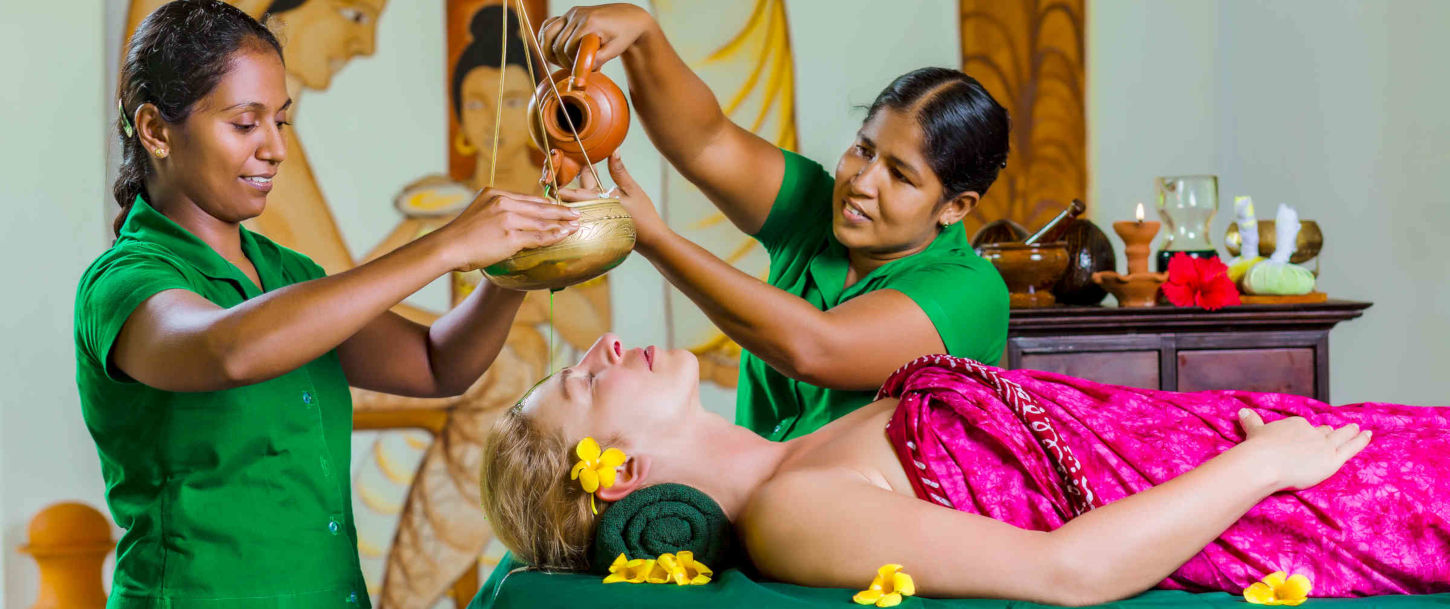
The herbs and herbal ingredients used in the Ayurveda therapies offered by the specialized Ayurveda hotels & wellness SPA’s come from age-old formulas passed down from generation to generation of traditional Sri Lankan Ayurvedic families in Sri Lanka.
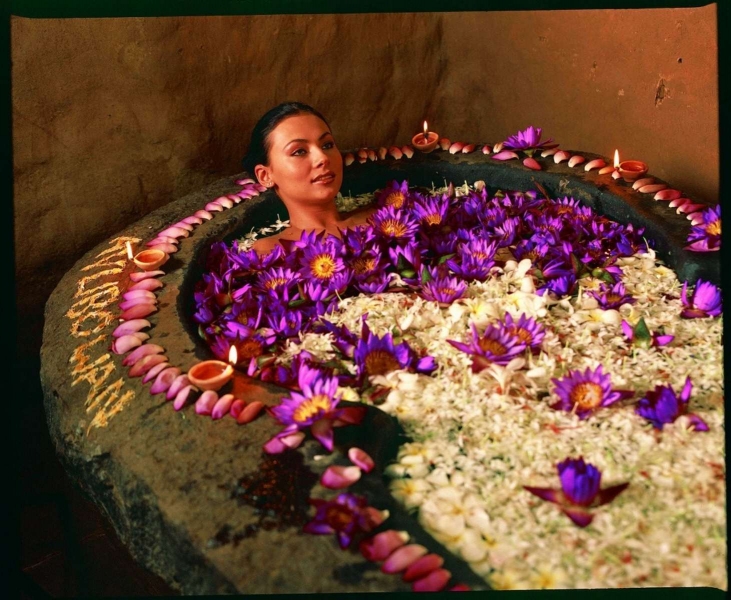
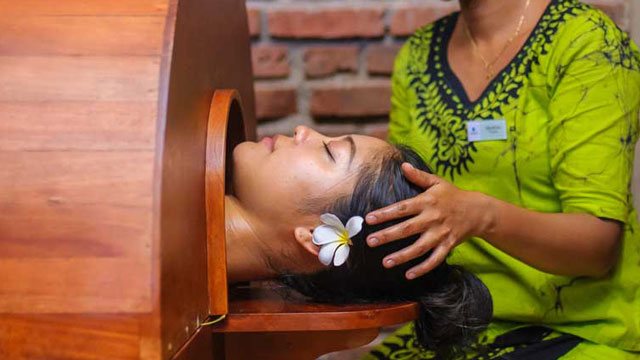
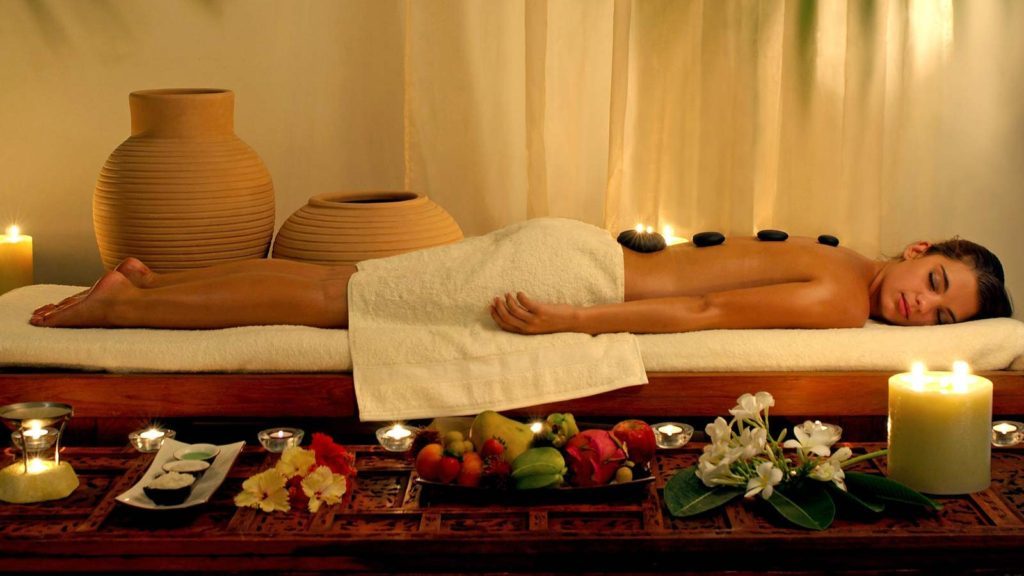
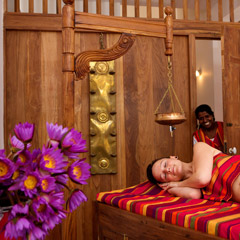
Ayurveda is the ‘science of life’. Many a people visit Ayurveda Retreats to escape the mundane and hectic ways of life and to get a healthy dose of Ayurveda’s rejuvenating powers. An authentic Sri Lanka Ayurveda treatment ensures a wellness holiday like never before.
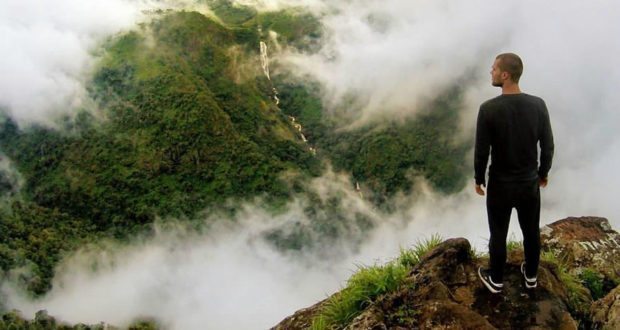
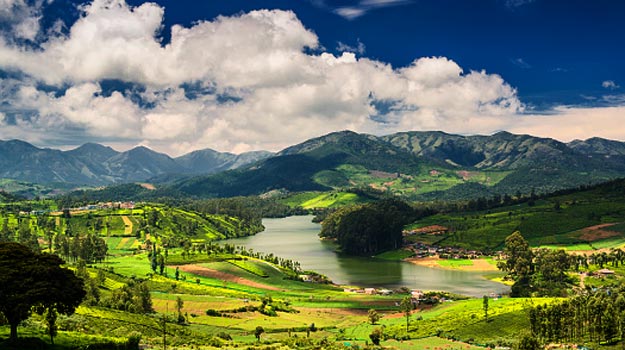
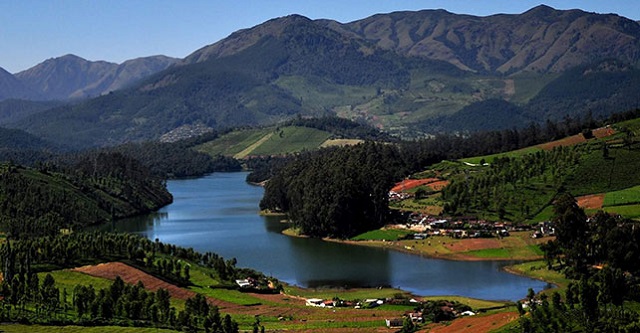
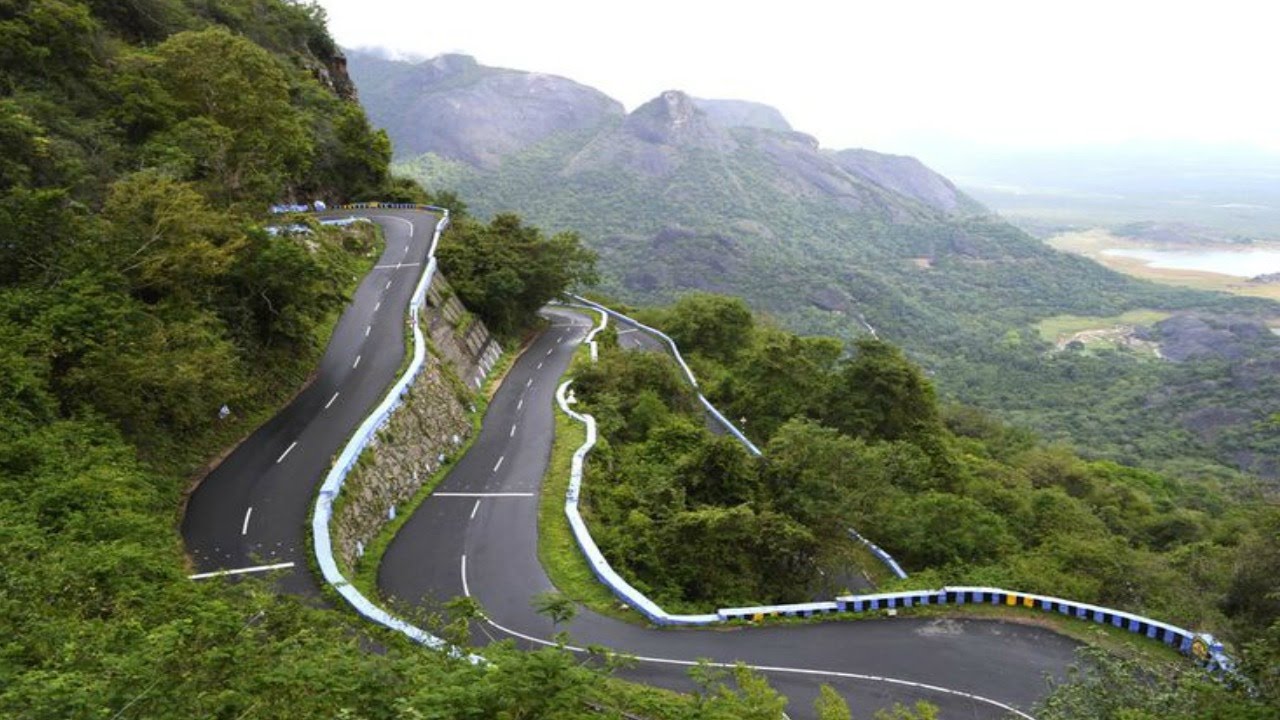
Ooty,
also known as Udhagamandalam, is a hill station in the state of Tamil Nadu, in
southern India. Surrounded by trees, central Ooty Lake is a huge artificial
expanse of water with pleasure boats. On the slopes of nearby Elk Hill, the
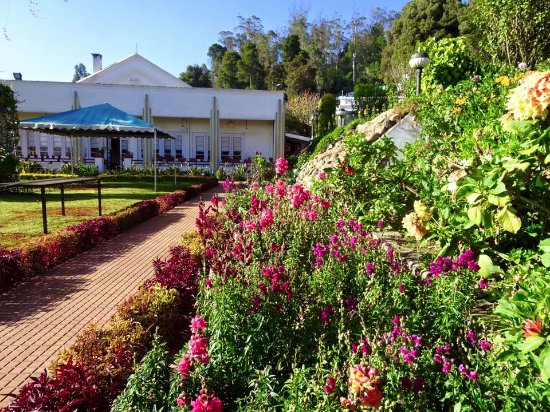
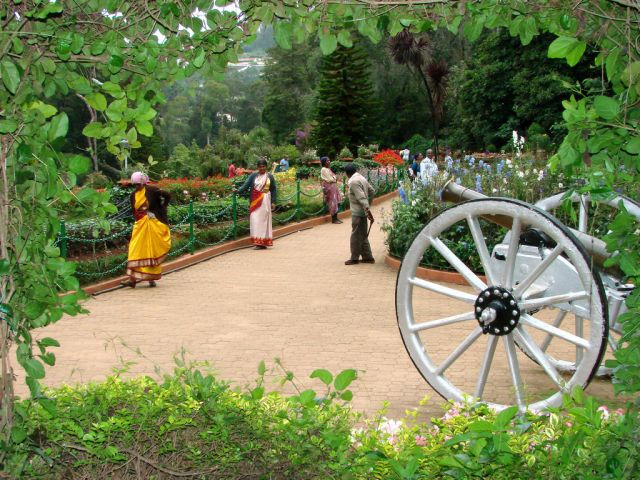
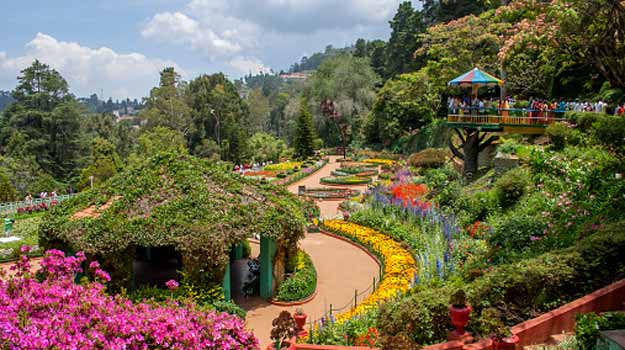
Rose Garden is home to over 2,000 varieties of roses. The Government Botanical
Garden, created in the 19th century, features ferns, orchids and a prehistoric,
fossilized tree.
Climate
in Ooty
Ooty
features an oceanic climate, and its location in the tropics, in contrast with
most of south India. Ooty generally features mild condition throughout the year
and how ever during the night time in the months of January and February is
typically cold. Generally, the town appears to be eternally stuck in the spring
season.
Places
of Interest in Ooty
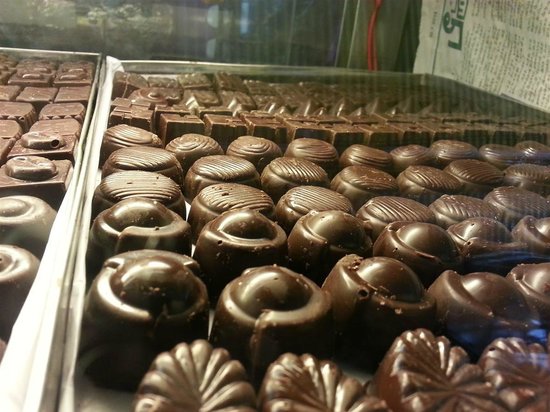
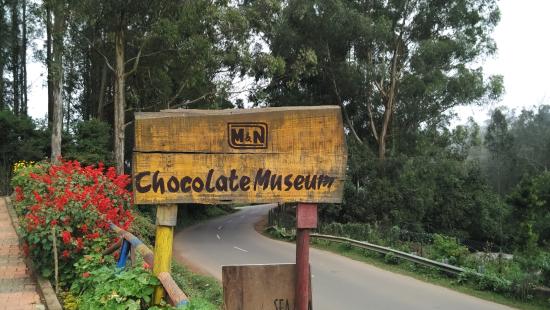
Ooty is situated in the Nilgiris Biosphere Reserve. Many of the forested areas and water bodies are off-limits to most visitors to protect this fragile ecosystem. Some areas of the Biosphere Reserve have been earmarked for tourism development, and steps are being undertaken to open these areas to visitors whilst conserving the area. its most famous in home made chocolates and all. not only tourist, even the local people when they visit Ooty they never forget to taste the Home made Chocolates.
There are lots of tourism places in Ooty and many more tourist will come to get the experience;
Gardens and parks
The Government Rose
Garden (formerly Centenary Rose Park)
Ooty Botanical Gardens
Deer Park
Lakes and dams
Ooty lake
Pykara River
Emerald Lake
Avalanche Lake
Kamaraj Sagar Dam
Reserve forests
Mudumalai National Park
and tiger reserve
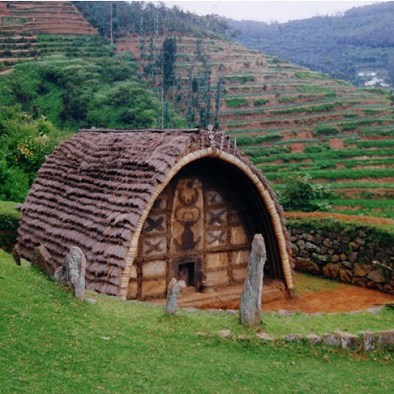
Tribal huts and museum
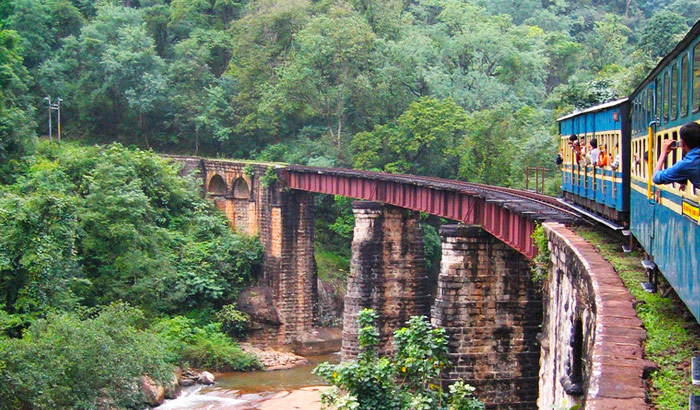
Nilgiris Mountain
Railway
Historical buildings
Stone House
Most
of Tourist would never forget to visit Ooty on their travel to India with
Mysore or Bangalore tours, Ooty is one of the famous tourist destinations for
the Honeymoon couple to make their unforgettable memories
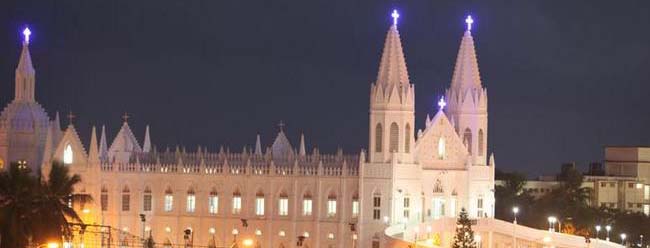
Velankanni
is a Special grade Panchayath town in Nagapattam district in Indian state of
Tamil Nadu. The town is home to one of the most visited Roman Catholic Latin
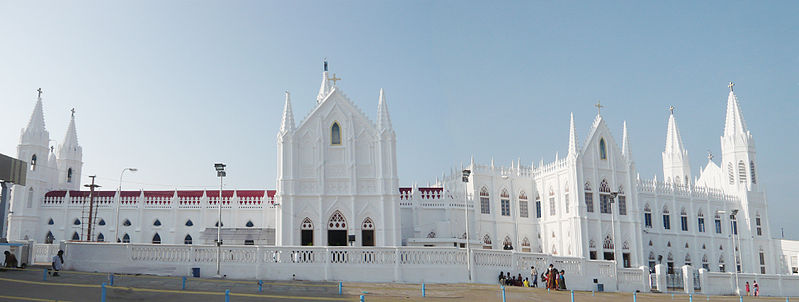
Rite Shrine called Basilica of our lady of good health. Velankanni has been
chosen the one of the heritage cities for Indian government.
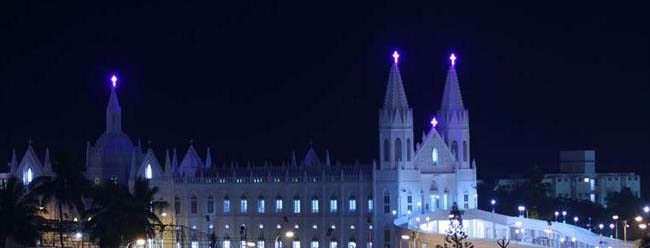
Velankanni has one of the country’s biggest catholic pilgrimage centre, the basilica of our lady of good health. devoted to our lady of good health, it is popularly known as the “Lourdes of the East.” its origin can be traced back to the 16th century. the church’s founding is attributing to three miracles; the super natural appearance by the blessed virgin mother Mary, the Jesus Christ to a slumbering shepherd boy.
History
of Velankanni Church
Though
there is no historical document or record about the reputed apparitions of Mary
at Velankanni, only oral tradition ascertains the two apparitions in the 16th
century and the saving of the Portuguese sailors from a storm in the Bay of
Bengal in the 17th century.
According
to tradition, the first apparition is said to have occurred to a young boy
delivering buttermilk to a man who lived far away. During his travels, the boy
stopped to rest beside a lake that was shaded by a Banyan tree. A beautiful
woman, carrying a child, is said to have appeared, and asked the boy for some
milk to feed her child, which he gave. When he reached the home for his milk
delivery, he apologised for the delay and that there would be less milk in his
pot. But when they opened the lid of the milk pot, the container was brimming
with milk.
The second apparition occurred a few years later. A lame boy would sell buttermilk to passing travellers, who would pause in the shade of a large Banyan tree, to escape the heat of the day. However, he had no customers. Suddenly, an ethereal woman, holding a child appeared before him, and asked for a cup of buttermilk. He gave her a cup, which she fed to her child. The woman asked the boy to go to Nagapattam, and find a certain Catholic man in the town, and tell him to build a chapel at Velankanni in her honour. Apparently cured, the boy ran to Nagapattam, where he found the man and told him his story. These apparitions have not been approved by the Holy See.
Basilica
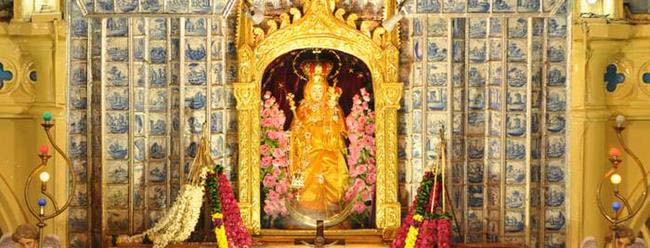
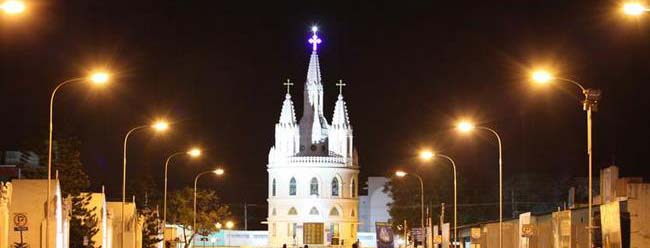
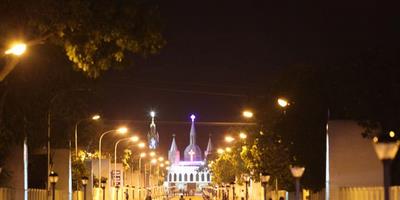
A gothic styled basilica stands in Velankanni in memory of apparition. The basilica erected by the Portuguese and Indians stands at the site where the buttermilk seller saw the Mother Mary and Jesus. The iconic depiction of the Madonna is unique in that; it is one of two only icon where mother Mary portrayed wearing Indian saree; while the other statue is said to have been buried with Aurangzeb, the Mughal Emperor The basilica is known as a site for pilgrims from all over India and its assembly of multilingual prayers every Christmas. The church building was raised to the status of Basilica in1962, by Pope John XXIII
Miracles of the basilica of our lady of
Good Health
It is an indisputable fact that God has always been
eager to intervene in human history, especially during turbulent times, in a
motherly way and so He comes to us through Mary. Mary is not only the Mother of
Jesus, she is the Mother of all us, and it is the distinctive mark of a mother
to be solicitous for the wellbeing of her children. Even in her glory in
heaven, she is still profoundly concerned about the welfare of her children,
and that is why she leaves her eternal throne to come down to man to alert him
to the dangers to which he is rushing headlong.
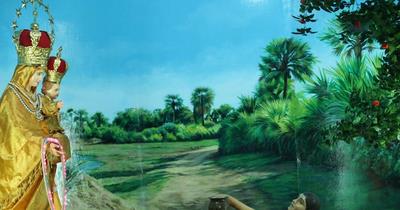
Our Lady’s Vision to a
Shepherd Boy
Our Lady’s Vision to a Shepherd Boy
Approximately 400 years
ago, there was a small pond and on its bank was a huge banyan tree. A shepherd
boy from Velankanni used to carry milk every day to a rich man in Nagapattam
which is ten kilometres away. On an unusually hot summer day, the boy, after
quenching his thirst with the water from the pond, rested for a while in the
shade of the banyan tree which stood beside the pond. Soon the boy fell into a
deep slumber.
Suddenly he was startled
by the vision of a Lady of celestial beauty holding a lovely child in her arms.
The boy could not take his eyes off the Lady of unmatched beauty, so spell
bound was he by this heavenly vision. The Lady greeted him with a motherly
smile and condescended to ask him for some milk for her child. He joyfully gave
her some milk for her child and seeing a bewitching smile spread over the face
of the heavenly baby, the boy experienced deep satisfaction.
When he reached the
home of the rich man he begged to be excused for his unusual delay and for the
shortage of milk. But, when the lid of the milk pot was lifted, lo and behold!
the pot was brimming over with milk. The boy narrated to the rich man about the
apparition he had of a Lady of uncommon beauty with a cherubic child and how he
had given a portion of the milk he was carrying, to the child at the Lady’s
request. He said that he had the unique pleasure of seeing that supernatural
Lady feed the baby with the milk he had given. The master was fascinated by the
extraordinary phenomenon witnessed by the boy and he hastened to the spot where
the Lady had appeared with her child. With great reverence, the gentleman
prostrated himself on the holy ground where the Lady had appeared to the boy.
The story of the
apparition of the Lady and Child and the miraculous brimming over of the milk,
spread like wild fire throughout the neighbourhood. The Christians in Nagapattam
were convinced that the vision was that of the Blessed Virgin Mary with the
Child Jesus. Their hearts overflowed with joy at the thought of Our Blessed
Mother deigning to choose such an unobtrusive place as Velankanni to make her
apparition. From that day onwards the tank has come to be known as ‘Matha
Kulam’ (Our Lady’s Tank). Innumerable miracles are taking place even today by
applying it on diseased persons. A chapel now stands at the place where Mary
appeared to the shepherd boy.
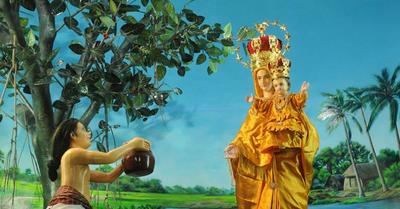
Apparition of Our Lady to the Buttermilk Vendor
Apparition of Our Lady to the Buttermilk Vendor
A few years after her apparition to the Shepherd
boy, Velankanni was privileged to be blessed with another apparition of the
Blessed Mother, and this time, to a poor lame boy of the village. At the close
of the 16th century, there was a poor widow in the village of Velankanni with a
son who was congenitally lame. In order to eke out their existence the lame boy
would sell buttermilk at a place known as ‘Nadu Thittu’. It was a slightly
elevated spot where there was a huge banyan tree with outstretched branches.
The widow would carry the lame boy and leave at Nadu Thittu with a pot of
buttermilk. The boy sold the butter milk to weary way-farmers who would take
shelter from the sweltering heat under the tree. On an extremely hot day the
boy was waiting for his customers, but as no one turned up, he was a little
disappointed.
But his disappointment turned into joy when, in the
twinkling of an eye, he saw a Lady of stunning beauty standing before him,
holding a baby of dazzling beauty in her arms. The Mother and Child were
attired in impeccable white garments. The Lady looked at the boy with a
charming smile and asked him for a cup of buttermilk for the child. Without a
moment’s hesitation the lad gave her a cup of buttermilk as he considered it a
great honour and privilege to render a little hospitality to his seemingly
ethereal visitors. With a sense of deep satisfaction, the boy saw the Lady
feeding her child with the buttermilk he had offered her. The Lady then cast a
benevolent look at the lame boy and turned towards her Divine Child in her arms
as if entreating him to heal the crippled lad. The Mother’s silent request was
instantaneously answered. Without the boy realizing it, a miracle had been
wrought on him, but he kept on gazing at his distinguished visitors as though
entranced.
The Lady gratefully acknowledged the youth’s
generosity and requested another favour of him. The lad was to go to Nagapattam
and apprise a certain rich Catholic gentleman of the Lady’s appearance to him
and to inform him of her desire to have a chapel built at Velankanni in her
honour. While he was eager to carry out the mission entrusted to him, his
physical impairment rendered him incapable of carrying out the mission. The boy
told the Lady so. But the Lady bade him get up and walk as he was no longer a
cripple. Immediately, the lad leaped to his feet. His joy knew no bounds when
he realized he could walk. He ran as fast as his leg could carry him, all the
10 kilometres to Nagapattam. On the way he would pause a while to make sure
that the miracle that had taken place in him was not a figment of his mind but
a reality.
On reaching Nagapattam the boy, narrated to the
gentleman of the apparition. He informed the gentleman that she had sent him as
her emissary to ask him to build a chapel in her honour in Velankanni. The
gentleman had little doubt in believing the lad as he himself had a similar
vision of Our Lady in his sleep the previous night, bidding him build a chapel
in her honour. With the willing cooperation of the people of that locality
whose enthusiasm had been kindled by the miraculous healing of the widow’s
crippled son, the Catholic gentleman of Nagapattam soon put up a small thatched
chapel at Velankanni. An altar was erected in the chapel and a beautiful statue
of Our Lady of Velankanni holding the Infant Jesus in her arms, was placed on
the altar. That marked the humble beginning of the Shrine of Our Lady of
Velankanni.
So many cures were taking place to those who prayed
at the miraculous Mother with her Divine Infant came to be known as Our Lady of
Good Health, Velankanni (Velankanni Arogya Matha). A chapel has been recently
built at Nadu Thittu where Our Lady appeared to the lame butter milk vendor.
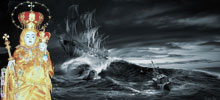
The Portuguese Ship caught in a Storm
The Portuguese Ship caught in a Storm
The 16th century in
particular was known for the atimagests made by European merchants to establish
trading centres in India. The Portuguese were devout Catholics with a special
devotion to Our Blessed Mother Mary, the ‘Star of the Sea’. In the 17th century
a Portuguese merchant vessel was sailing to Colombo. While it was cruising
towards the west to reach the Bay of Bengal, it was caught in a violent storm.
The gale grew furious and the waves rose high and lashed violently at the ship
and the fate of the vessel, with everyone on board was all but sealed. The
helpless sailors instinctively fell on their knees and with all the fervour,
their sinking souls could muster, besought Mary’s help. They vowed to build a
church in her honour wherever she helped them land safely. Their earnest
petition was instantly heard, for all on a sudden, there was a miraculous lull
in the winds; the waves subsided and the sea became calm. Soon the battered
ship was pushed to safety to the shores of Velankanni. On landing, the first
thing the sailors did was to fall on their knees and thank God and the Blessed
Virgin Mary for having saved their lives. They set about immediately to remodel
the thatched chapel.
Feast of the Basilica of our lady of
good health
Annual feast will be on every year from end of August (29th) to 08th of September. During this period there will be nearly three million people visit to the basilica of lady of good health for their own believes and faith. This 11-day annual festival concludes with the celebrations of the feast of the nativity of Mary on 08th September.
When you visit at least once in
your life time Velankanni church, The Basilica of Our lady of Good Health it
will be a great blessing to you in your life journey.
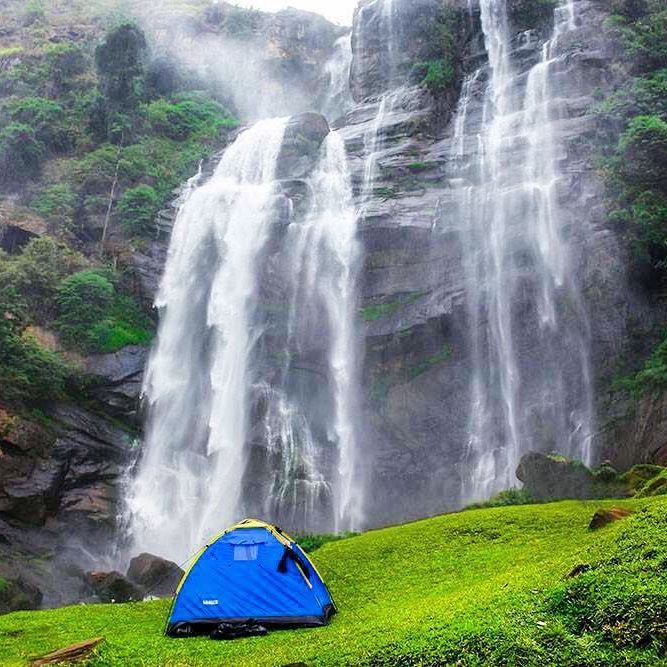
Nuwara Eliya otherwise known as little England which
located in marvelous hill country of Sri Lanka. in the British colonial period,
they constructed this little town according to the British architecture.
Because they prefer the ideal cool temperature and the rich foliage of the
Nuwara Eliya.
In the month of April Sri Lankan society arranging
horse rides and races, motor races and golf tournaments in the Nuwara Eliya
city. Mostly Sri Lankan’s as well as foreign tourists visiting to Nuwara Eliya
on month of April, August and December due to holidays.
Don’t miss these places and activities when you
travel to Little England in Sri Lanka.
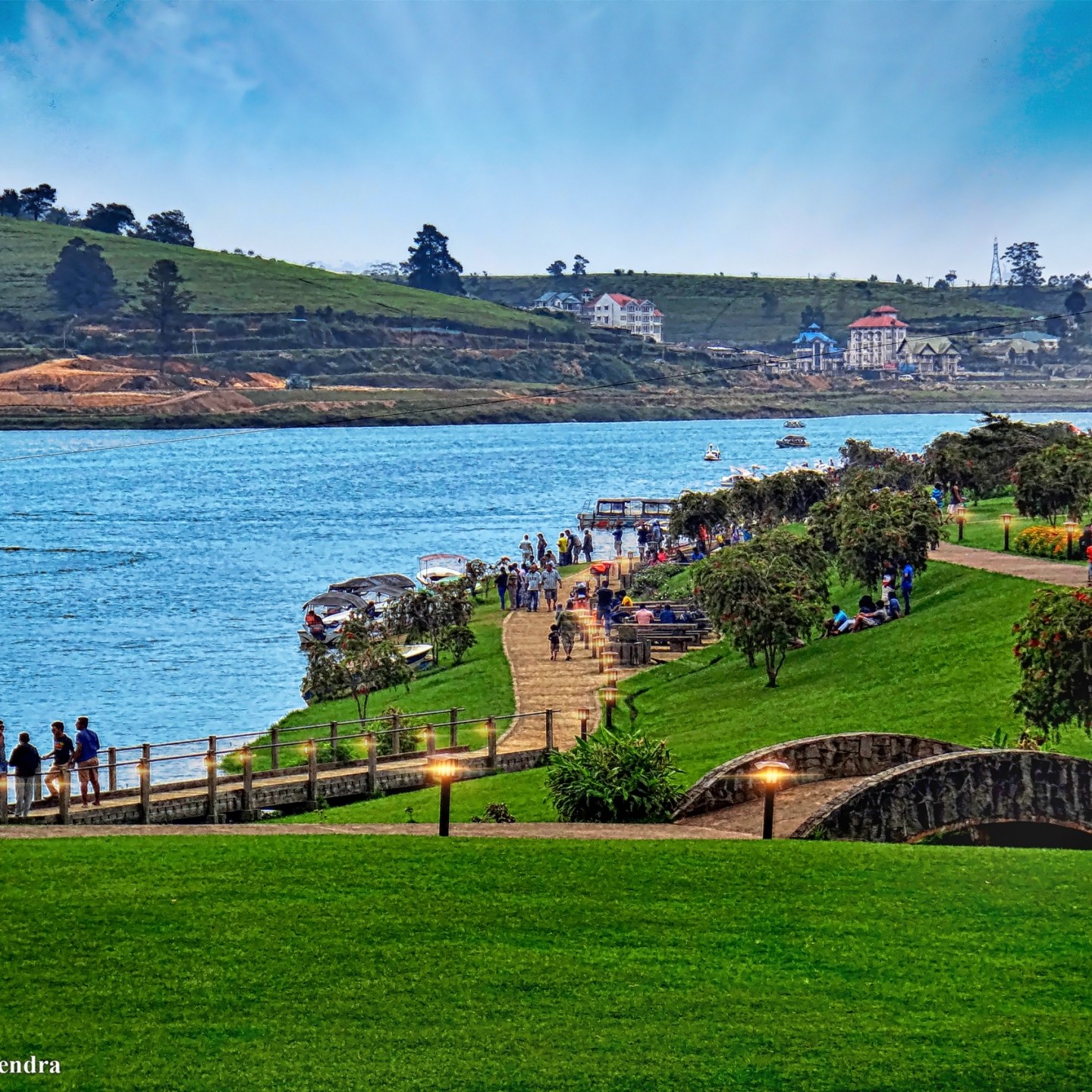
Boat ride on Gregory lake and horse
rides on the lake premises
Victoria park
Winter market- Bale bazar
Post office
Strawberry farm
Ambewela farm
St. Clair’s Falls
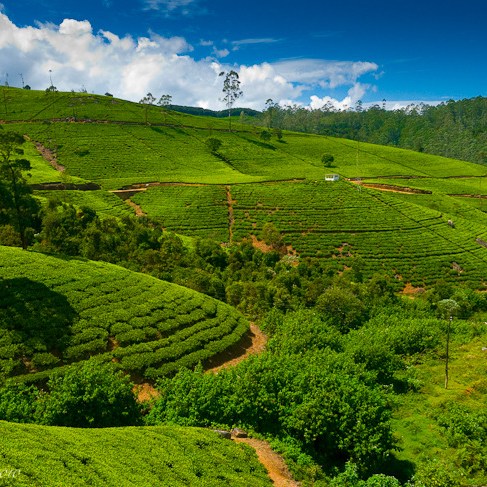
Tea plantations
Take a hike & safari on the Moon
Plains
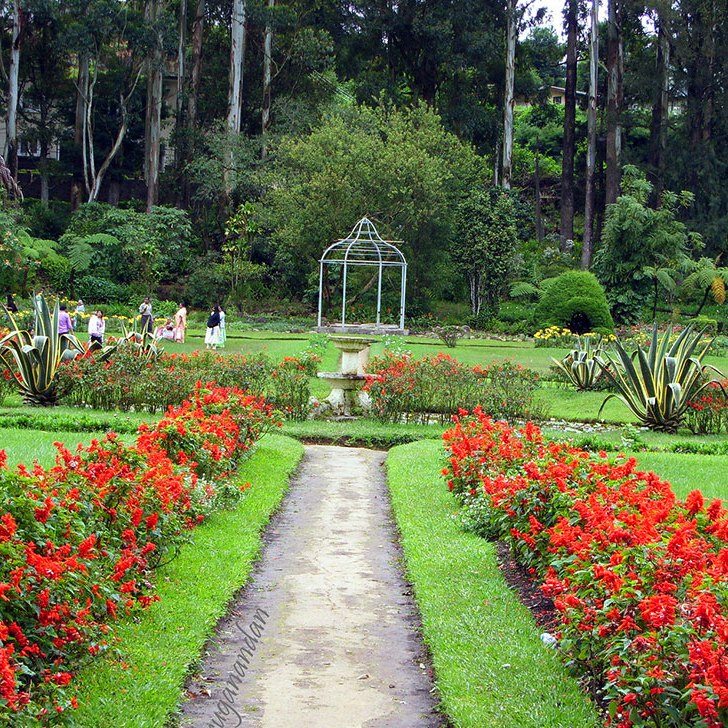
Hakgala Botanical Gardens
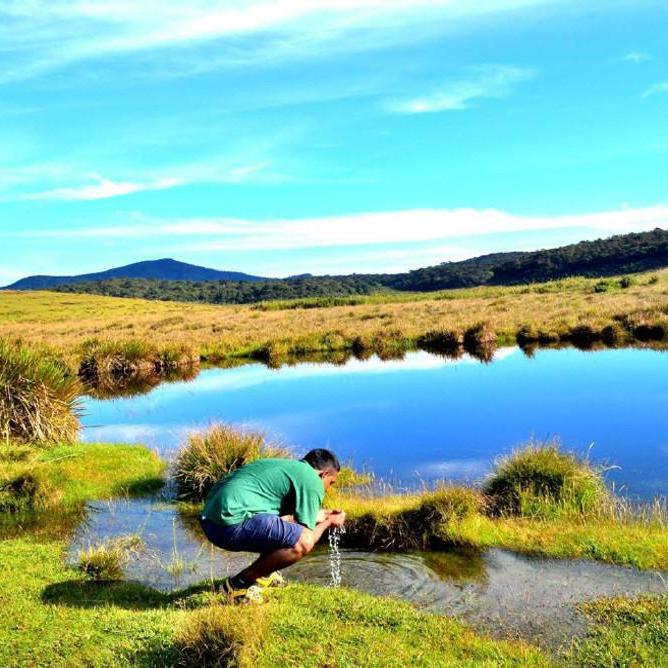
Hiking, camping & explore the nature
of Horton Plains to World’s End
Lover’s leap waterfall hiking
Hike from Pedro Tea Estate to the Lovers
Leap waterfall through tea gardens and forest.
Galway’s land national park
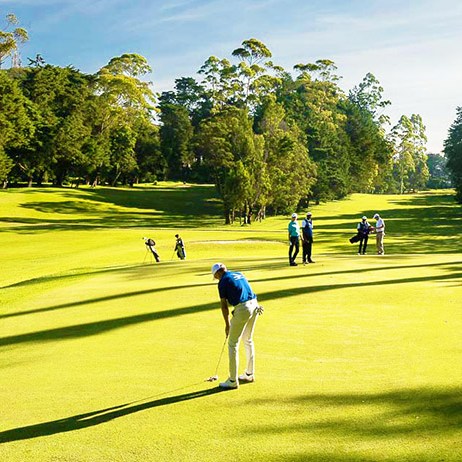
Nuwara Eliya golf club
Seetha Amman temple (related with the
Ramayana legend)
Great western mountain climbing, hiking
& trekking (6th highest mountain in Sri Lanka.)
Via Nuwara Eliya you can easily reach to famous
tourist destinations like Ella, Kandy, Yala, Bundala national park, Ramoboda
falls, Dabana indigenous village, Badulla, Haputale, Bandarawela, Katharagama.
You can reach
to Nuwara Eliya via road or rail. Here are some destination’s distance and the
time period to reach to Nuwara Eliya from various destinations.
2 h 33 min (75.6 km) via A5 road -Kandy
to Nuwara Eliya.
Yala to Nuwara eliya- 102 km
The distance between Colombo Airport
(CMB) and Nuwara Eliya is 101 km and takes 2h 56m.
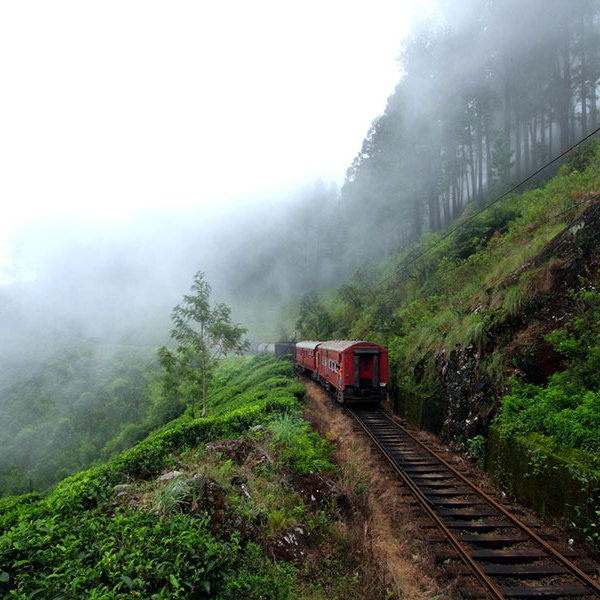
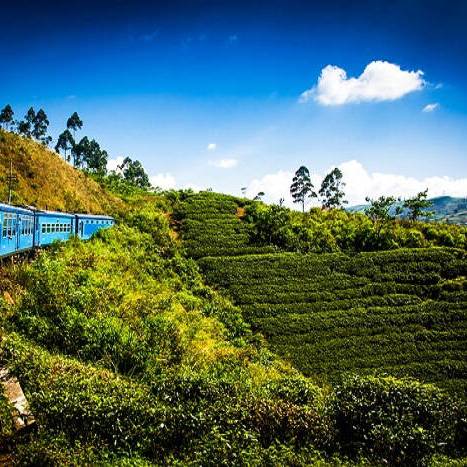
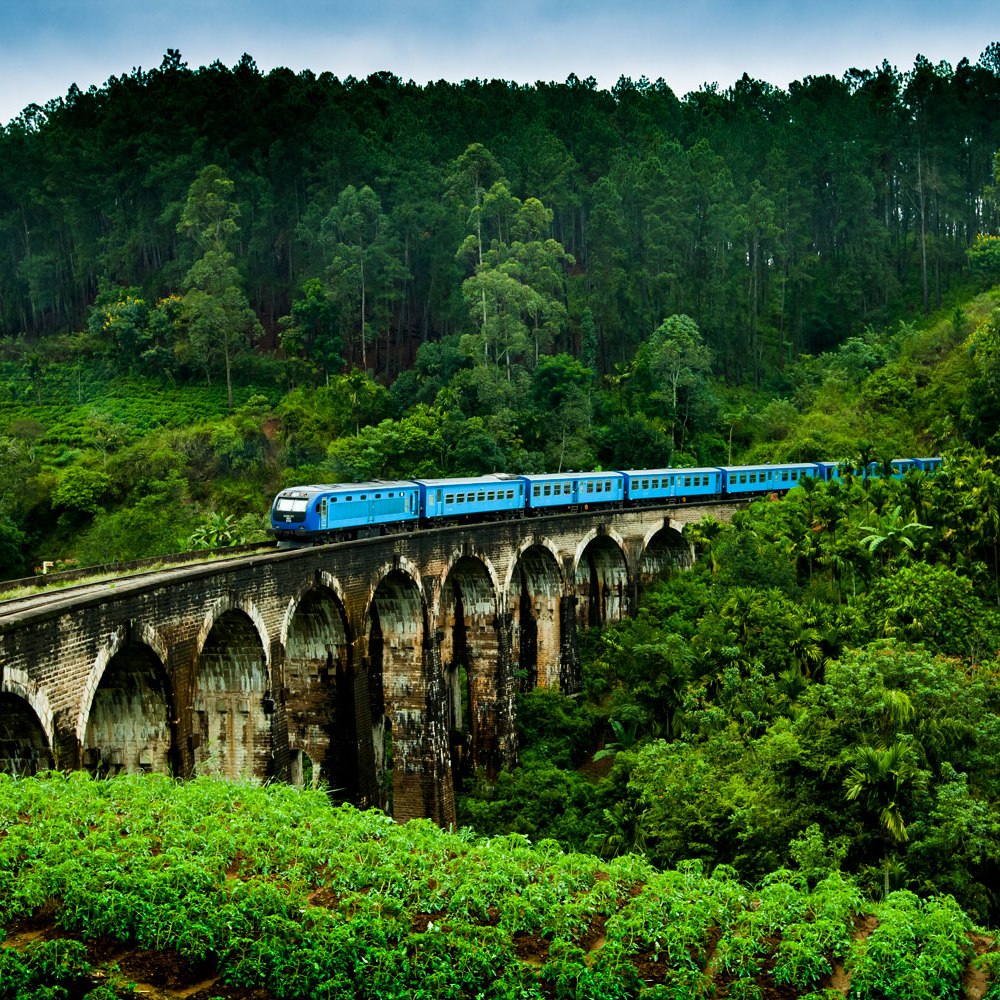
You can meet up marvelous views when you reach to
Nuwara Eliya via train. It’s the most popular way among tourists to reach to
the Nuwara Eliya. It can introduce as one of the most beautiful train rides in
the world.Here’s the duration and the distance of the Kandy to Nuwara Eliya
train ride.
about 7 km from Kandy – to Nanu Oya –
about 8 km to Nuwara Eliya.
Ella is the closest detination to the Nuwara Eliya.
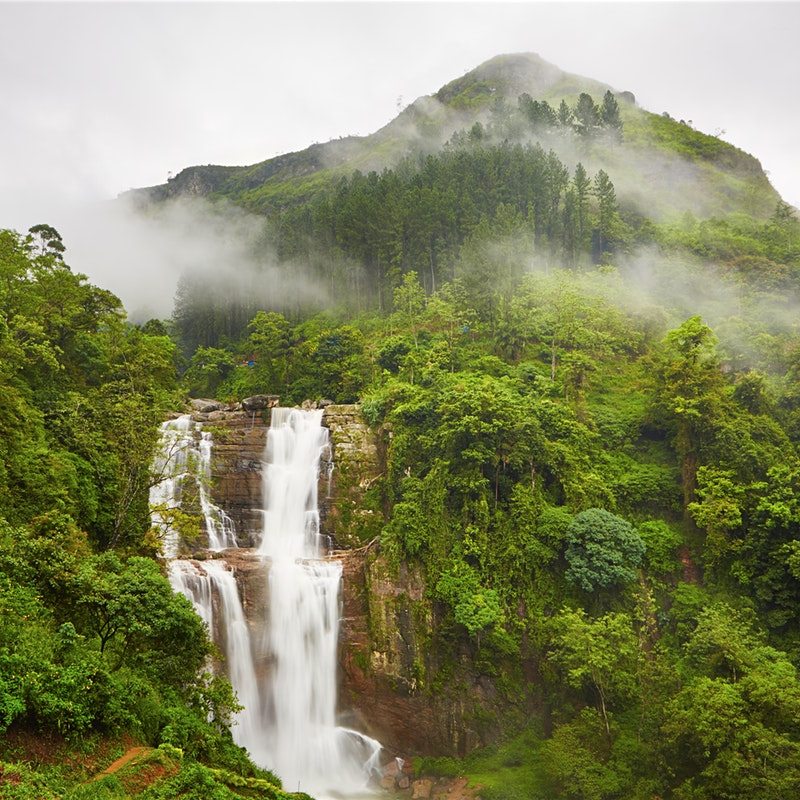
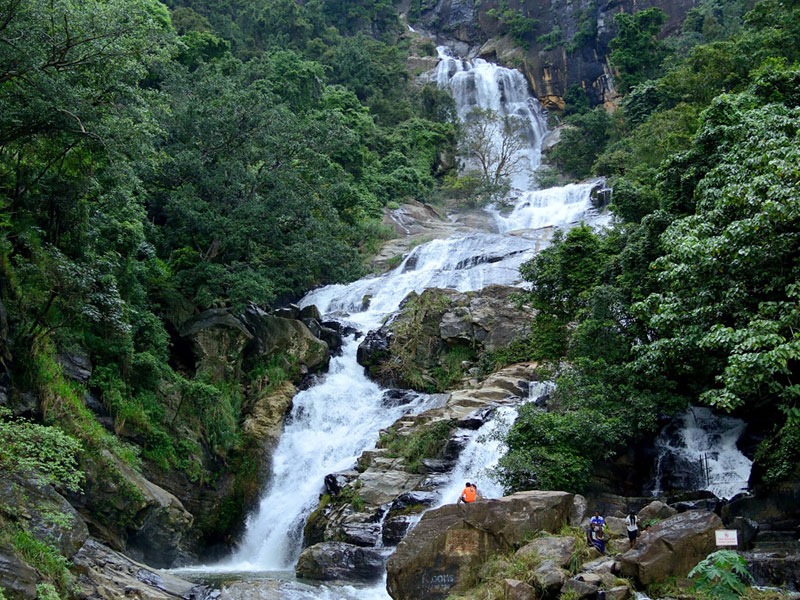
You can’t miss Ella on your tour to Nuwara Eliya. You can visit to Ravana Falls,
Nine Arches Bridge, Ravana’s Cave, Ella Rock, Ella Spice Garden, Little Adam’s
Peak, Demodara Railway Loop (Jatawa), Ellawala waterfall, Diyaluma waterfall, Lipton’s
seat etc.
To feel and explore the best of Nuwara Eliya stay at
least 3 days in both Nuwara Eliya and Ella. If you are an adventure seeker or a
nature lover this is the best destination for you in Sri Lanka. if you want to
explore the history you can engage with Rmayan trail tour around the Nuwara
Eliya and Ella.
So come and explore the best of little England in
Sri Lanka.
Dubai is the
largest and most populous tourist attraction city in United Arab Emirates, and
also it is known as the city for the luxury shopping, ultramodern architect ed
and lively night life scene. And it is the Global city and the Business hub of
the Middle East. Dubai has attracted world attention through large construction
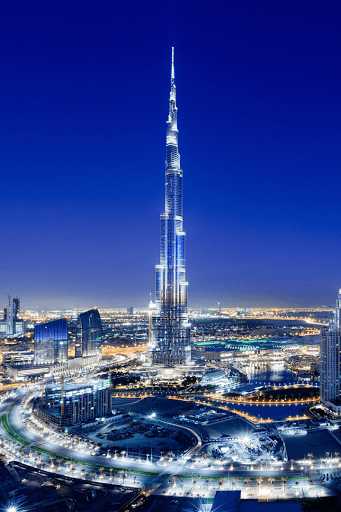
projects and also sports events too. Burj Khalifa, an 830m-tall tower,
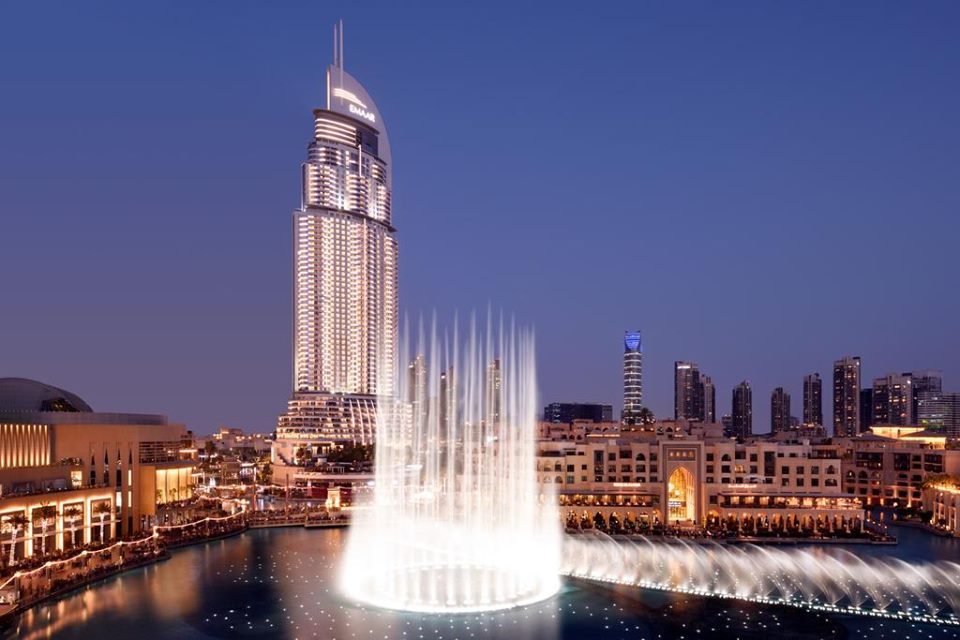
dominates the skyscraper-filled skyline. At its foot lies Dubai Fountain, with
jets and lights choreographed to music. On artificial islands just offshore is
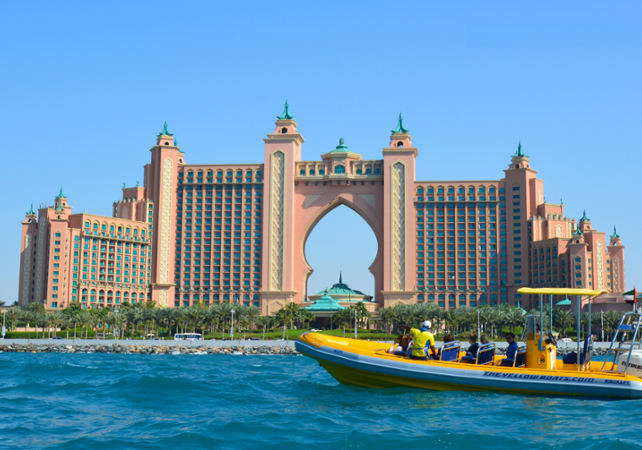
Atlantis, The Palm, a resort with water and marine-animal parks.
Famous things to do in Dubai
Desert
Safari
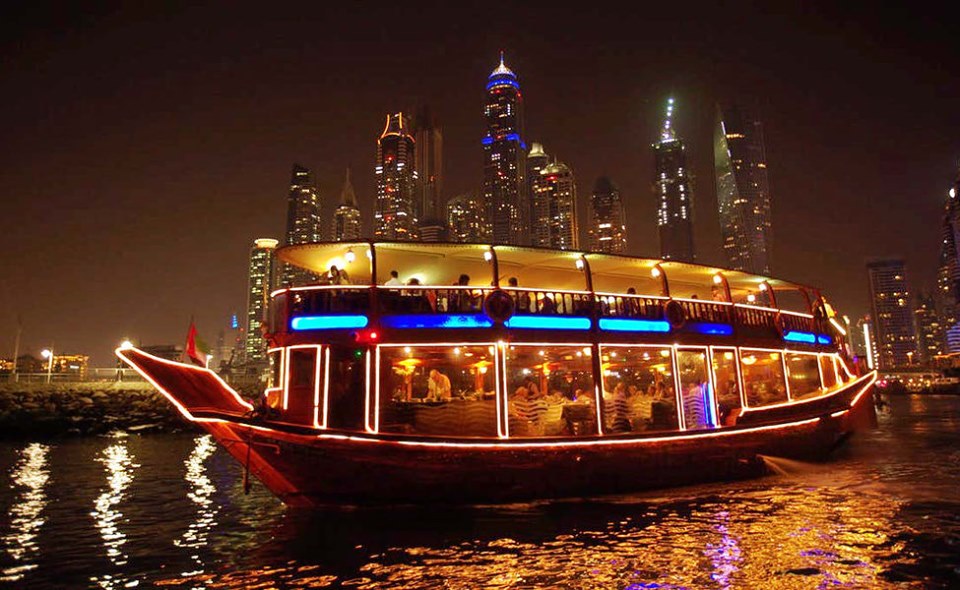
Dhow Cruise
Theme parks and adventure
Aquariums in Dubai
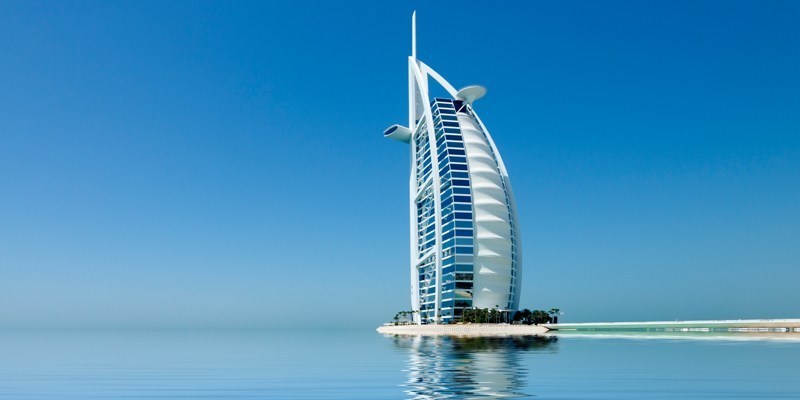
Burj Khalifa and Burj Al Arab
Dubai Mall
Palm Jumeirah
Dubai Fountain
Dubai Museum
Gold Souk
Palm Island
Ski in Dubai
Mall of Emirates
Miracle Garden, Dubai
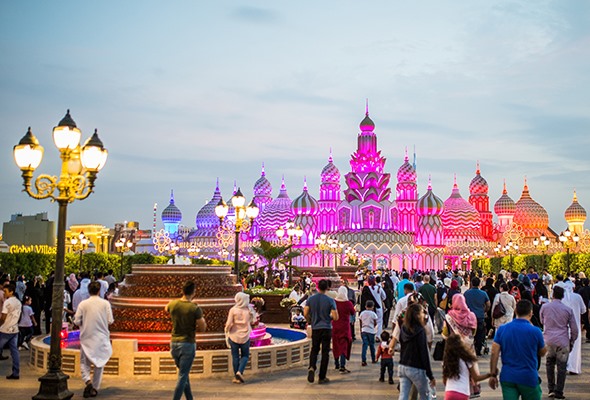
Global Village, Dubai
Dubai Opera
Al Mamzar Beach
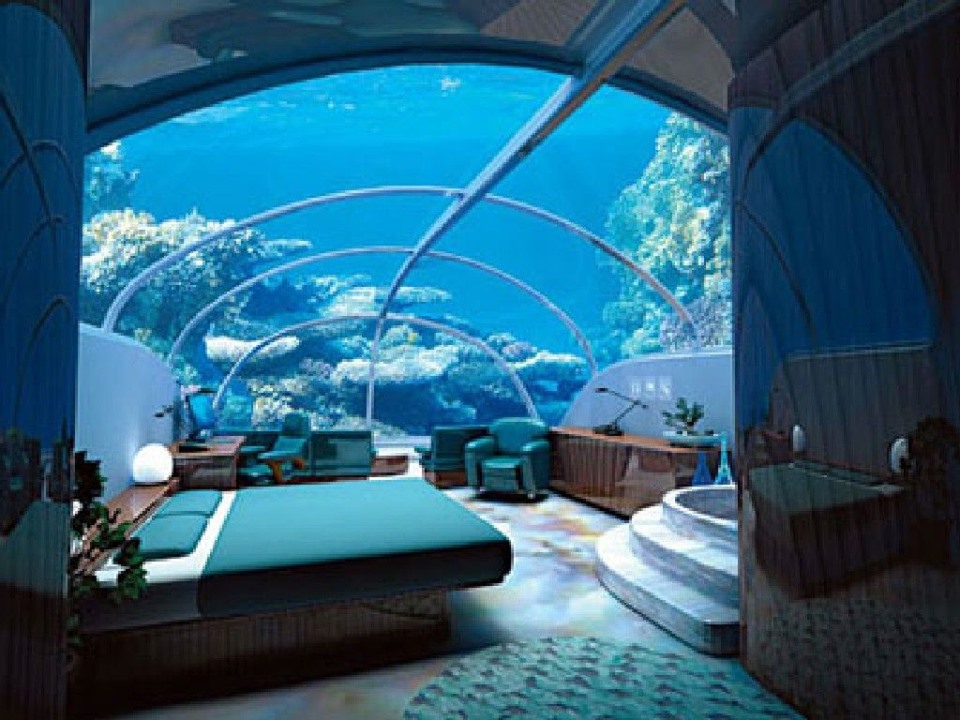
Under water Zoo in Dubai
Shopping
Burj
Khalifa
The Burj Khalifa, known as the Burj Dubai prior to its inauguration in 2010, is
a skyscraper in Dubai, United Arab Emirates. With a total height of 829.8 m and
a roof height of 828 m, the Burj Khalifa has been the tallest structure and
building in the world since it’s topping out in 2009. It has 163 floors.
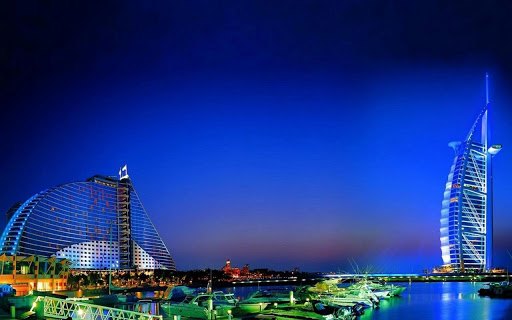
Burj
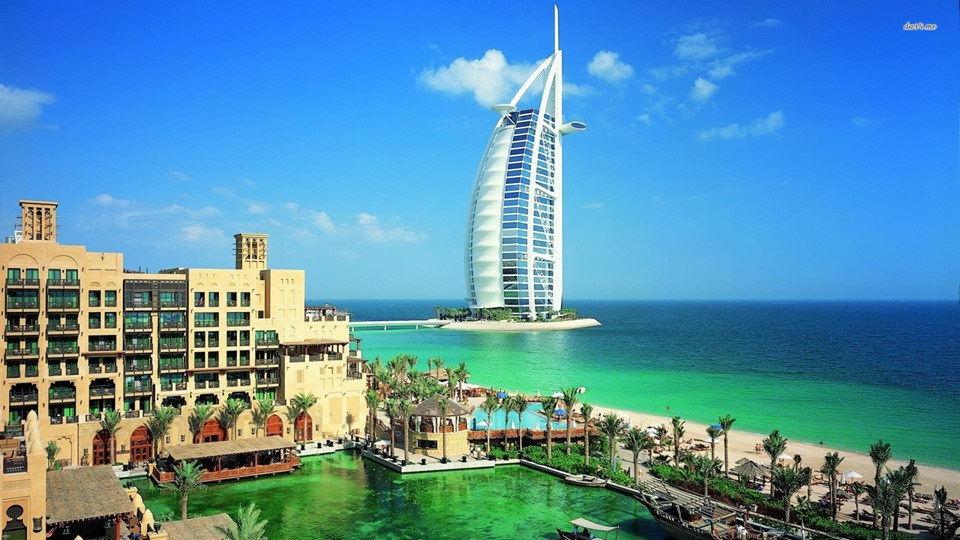
Al Arab
set on an island in a striking sail-shaped building, this luxury hotel is a
5-minute walk from Wild Wadi Water Park and 4 km from Mall of the Emirates.
Opulent suites feature floor-to-ceiling windows with gulf or city views. All
have 24-carat gold iPads, free Wi-Fi, flat-screen TVs and iPods. They offer
Egyptian linens, designer toiletries, whirlpool baths and butler service.
Upgraded suites include snooker tables, libraries, cinemas and private
elevators. A breakfast buffet, parking, and water park passes are free.
Amenities also include 9 restaurants and bars, 4 pools and a private beach.
There’s a spa, a gym, a helipad and a kids’ club.
Dubai
Mall
The Dubai Mall is a shopping mall in Dubai. It is the second-largest mall in
the world by total land area, and the 26th-largest shopping mall in the world
by gross leasable area, tying with West Edmonton Mall and Fashion Island — both
of which are older than it.
Palm
Jumeirah
The tree-shaped Palm Jumeirah Island is known for glitzy hotels, posh apartment
towers and upmarket global restaurants. Food trucks offering snacks like
shawarma dot the Palm Jumeirah Boardwalk, popular for its views of the Dubai coastline
and the sail-shaped Burj Al Arab hotel. Beach clubs with spas and infinity
pools turn into boisterous nightclubs with live DJs in the evening.
The
Dubai Fountains
the Dubai Fountain is the world’s largest choreographed fountain system. It is
set on the 30-acre manmade Burj Khalifa Lake, at the center of the Downtown
Dubai development in Dubai, United Arab Emirate
Palm
Island
Palm Islands are three artificial islands, Palm Jumeirah, Deira Island and Palm
Jebel Ali, on the coast of Dubai, United Arab Emirates. Creation of the islands
started in 2001. As of November 2011, only Palm Jumeirah has been completed.
This island takes the form of a palm tree, topped by a crescent.it is famous
for the Water Park, Parachuting and aquariums.
Dubai
Museum
Dubai Museum is the main museum in Dubai, United Arab Emirates. It is located
in the Al Fahidi Fort, built in 1787 and is the oldest existing building in
Dubai. The museum was opened by the Ruler of Dubai in 1971, with the aim of
presenting the traditional way of life in the Emirate of Dubai.
Dubai
Gold Souk
Dubai Gold Souk or Gold Souk is a traditional market in Dubai, UAE. The souk is
located in Dubai’s commercial business district in Deira, in the locality of Al
Dhagaya. The souk consists of over 380 retailers, most of whom are jewelry
traders.
Dubai
Marina and Dubai Creek
Dubai Marina is an affluent residential neighbourhood known for The Beach at
JBR, a leisure complex with al fresco dining and sandy stretches to relax on.
Smart cafes and pop-up craft markets line waterside promenade Dubai Marina
Walk, while Dubai Marina Mall is packed with chain and luxury fashion brands.
Upscale yachts cruise through the large man-made marina, where activities range
from jet-skiing to skydiving
Dubai Creek is a saltwater creek located in Dubai, United Arab Emirates.
Previously it extended to Ras Al Khor Wildlife Sanctuary but as part of the new
Dubai canal it extends through to the Persian Gulf
Ski
Dubai
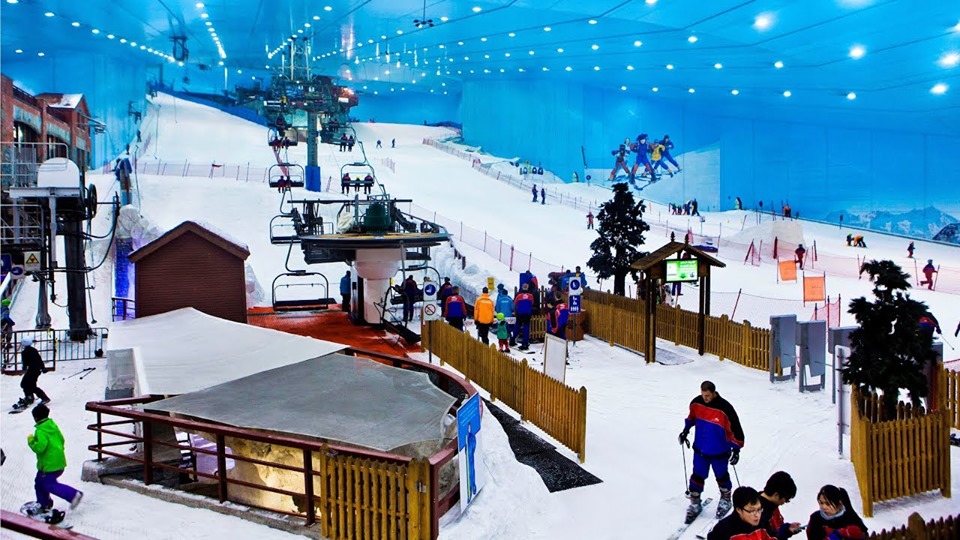
Ski Dubai is an indoor ski resort with 22,500 square meters of indoor ski area.
The park maintains the temperature of -1 degree Celsius to 2 degrees Celsius throughout
the year. It is a part of the Mall of the Emirates, one of the largest shopping
malls in the world, located in Dubai, United Arab Emirates. It’s based mountain
themed attraction with Snow in Dubai.
Dubai
Opera
Dubai Opera is a 2,000-seat, multi-format, performing arts center, which is
located within The Opera District in Downtown Dubai. It was developed by Emaar
Properties to host a variety of performances and events including theatre,
opera, ballet, concerts, conferences and exhibitions.
Desert
Safari
Desert Safari is the most awesome tour in Dubai. It is one of the most
affordable yet with full of fun and activities that you must not miss, its full
of camel rides belly dance etc. the experience which tourist can get through
desert safari is something beyond the word and phrases and also it is the most
important factor in well-known desert sports activities of UAE.
Dhow
Cruise
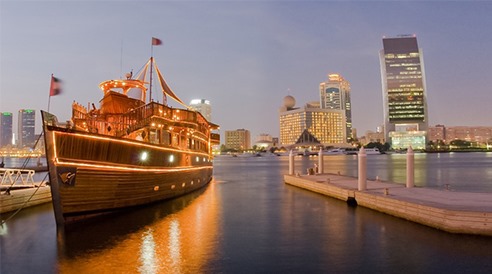
Enjoy Delicious Dhow Cruise Dinner with Taruna Show and Entertainment show in
the tranquil water of Dubai Creek and Marina Dubai Marina Dhow Cruise, one of
the most popular dinner cruises in Dubai. Marina dhow cruise is a relaxing
cruise with the view of sky scrapers of Dubai Marina and JBR while 2-hour
cruise with lavish buffet dinner and entertainment show on board’
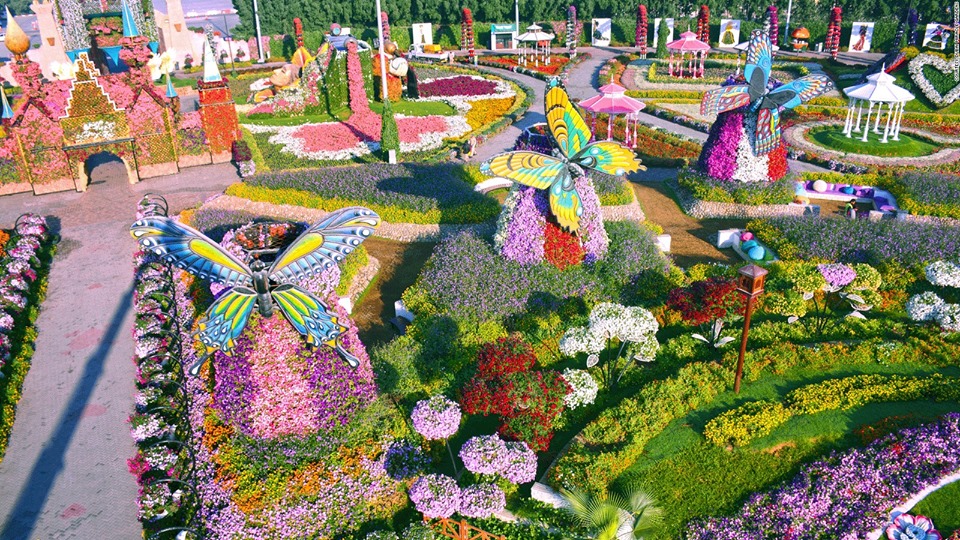
Miracle
Garden
the Dubai Miracle Garden is a flower garden located in the district of Dubai
land, Dubai, United Arab Emirates. The garden was launched on Valentine’s Day
in 2013. The garden occupies over 72,000 square meters, making it the world’s
largest natural flower garden featuring over 50 million flowers and 250 million
plants
Underwater
Zoo and Dubai Aquarium
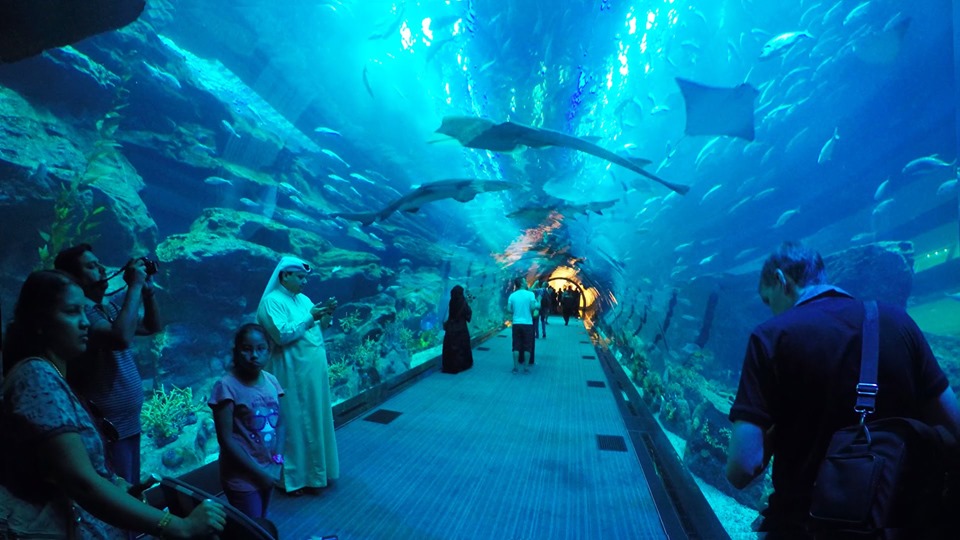
Underwater tunnel under a huge shark- & ray-filled tank, plus a creepy
crawly zone with snakes. Amazing sights one of the largest aquarium windows on
the planet. Rising to the third floor of The Dubai Mall, the aquarium is home
to 140 species of sea life! A 48-meter tunnel with aquarium enveloping you from
overhead and around. It’s a complete fish-eye view, with sand tiger sharks and
stingrays swimming overhead. There is so much to see after wandering through
the tunnel, the underwater zoo is great and you can get to feed some fish. The
aquarium and the underwater zoo are the good spot for kids
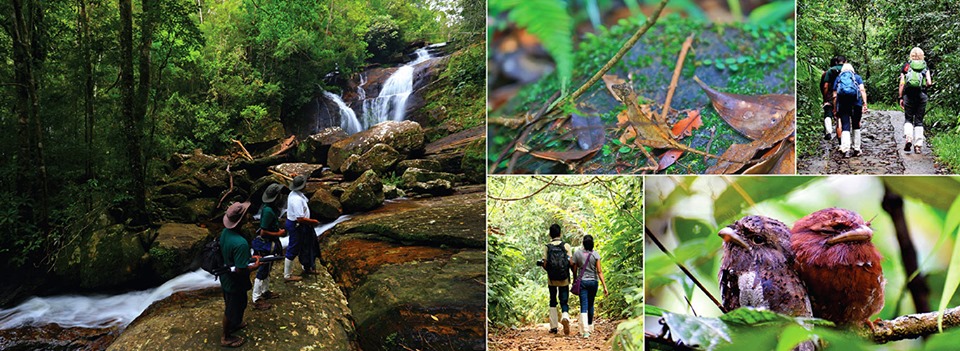
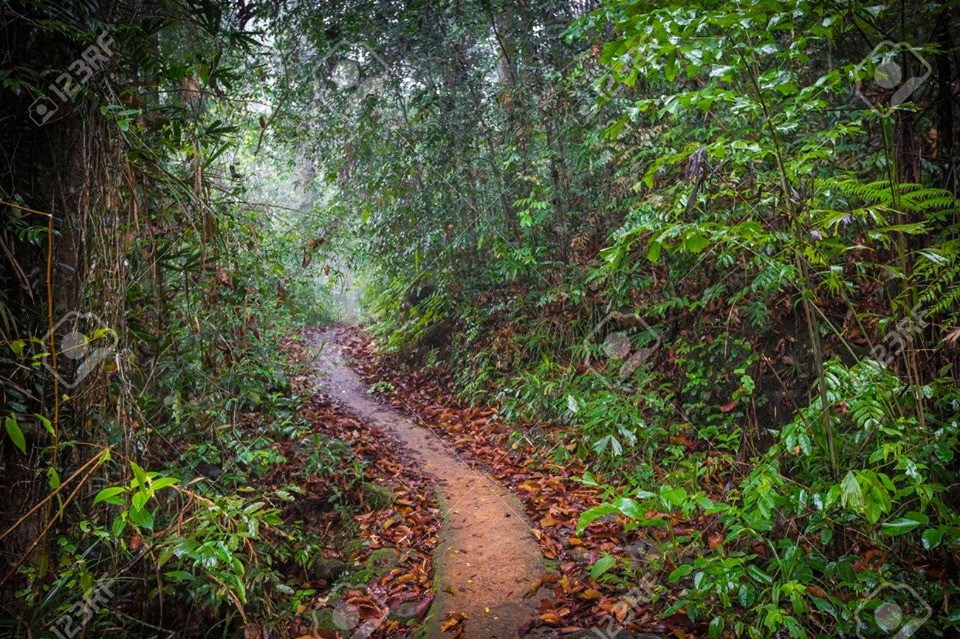
Sinharaja forest is a national park and biodiversity hotspot in
Sri Lanka. It is of international significance and has been designated a
Biosphere Reserve and World Heritage Site by UNESCO. And also, it is one of the
least distributed and biologically unique lowland rain forests in Sri Lanka.
This forest covers an extent of about almost 12000 hectares from east to west.
The length of the forest is about 21km from south to North. It was declared a
Man and Biosphere Reservation in1978. It situates in the southwest lowland wet
zone of the country in the district of Rathnapura and Galle. Annual Temperature
in here is 23.6 and Annual Rain falls is more than 2500mm where it distributes
during the two monsoons which is May to July and October to December.
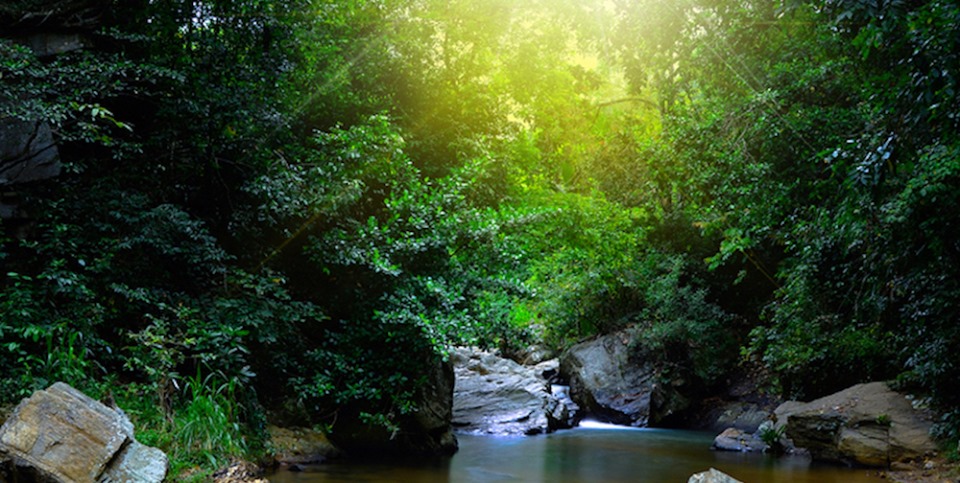
Two important rivers; namely
the Gin and Kalu Ganga (Rivers) and many other waterways are fed and nourished
by the waters that flow from thisverdent forest reserve. The forest cover is
denser than other dry zone parks making it more secure for the wildlife yet making
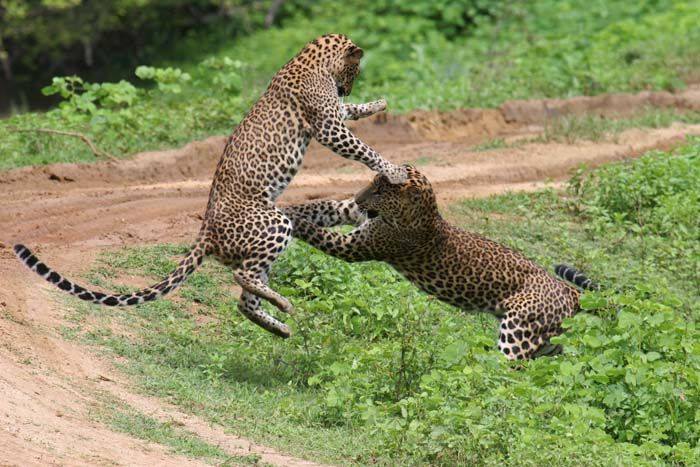
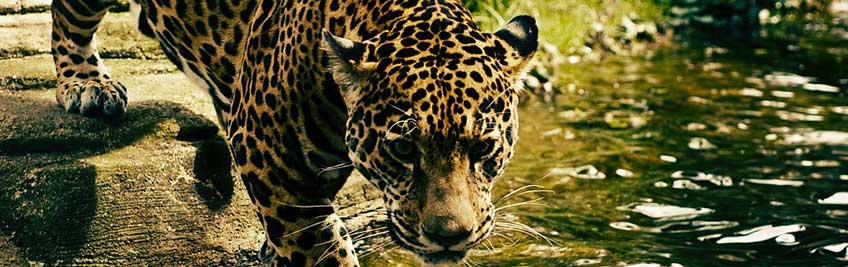
it a little harder for visitors to take a glimpse of the larger mammals such as
the Leopard and Elephants.
Sinharaja has recorded over
154 species of birds and is known to have a ‘mixed-species feeding flocks’ or
informally called a ‘bird wave’ where two or more species feed and move
together. This unique sight witnessed at Sinharaja sometimes consists of flocks
containing 30-50 birds of various species sometimes 10-12 species, erupting in
various bird sounds as they feed and move within a short time. Taking lead in
this exercise is the Orange-billed babbler and the Crested drongo.
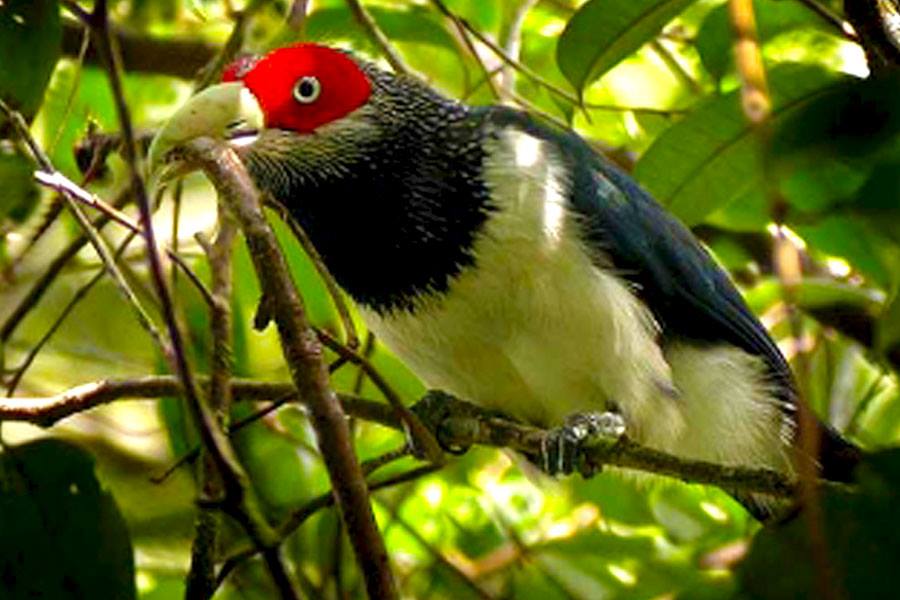
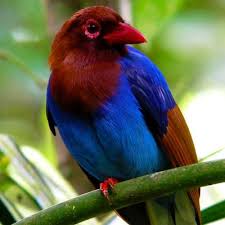
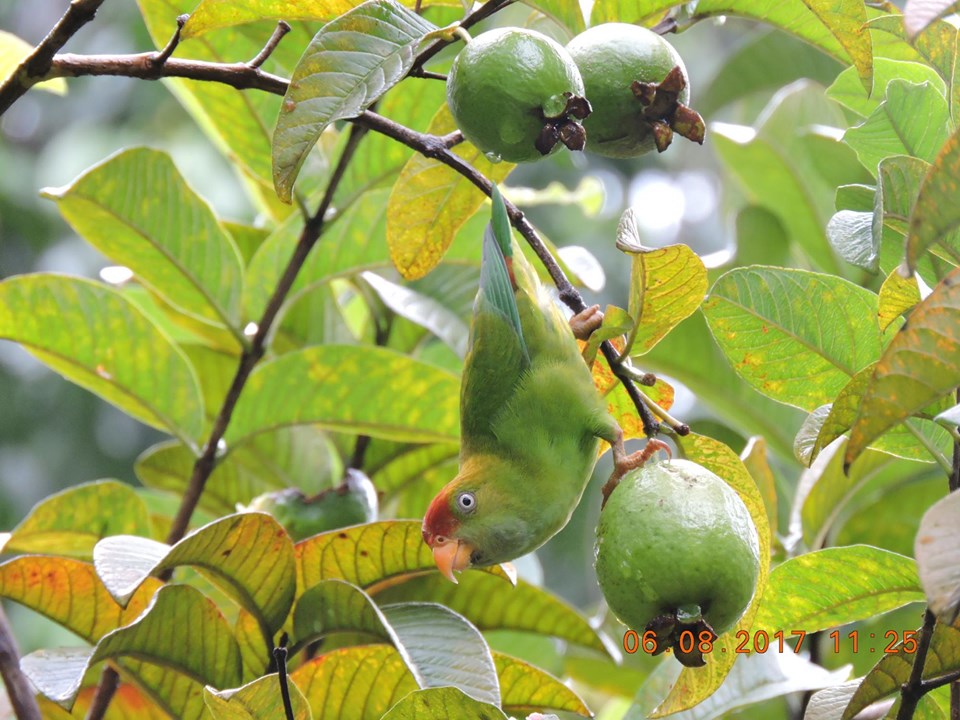
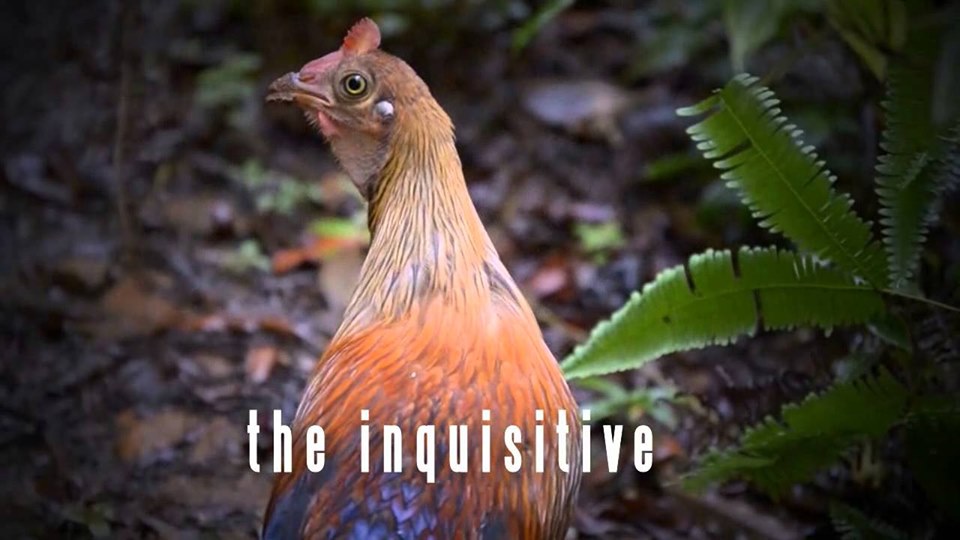
The endemic birds witnessed here include Ceylon Lorikeet, Layard’s parakeet,
Jungle & Spur fowl, Sri Lanka Blue magpie, Sri Lanka Grackle, Ceylon
Hanging parrot, Ceylon Grey hornbill, Ashy-headed laughing thrush, Layard’s
parakeet, Spotted-wing thrush, Brown-capped babbler, Ceylon Hill mynah, Red
faced malkoha, Legge’s flower-pecker amongst many others.
Sinharaja Rain Forest is a
narrow strip of undulating terrain consists of a series of ridges and valleys
drained by an intricate network of streams, which flow into the Gin Ganga on
the southern boundary and Kalu Ganga, via the Napola Dola, Koskulana Ganga and
Kudawa Ganga, on the northern boundary.
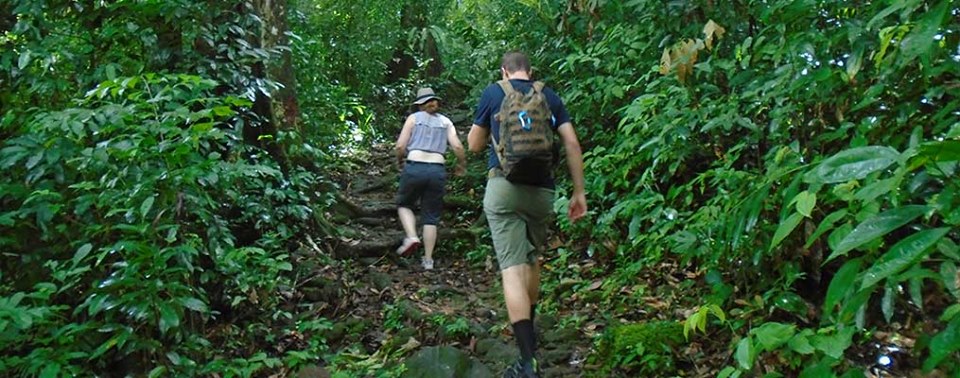
Nature trails of Sinharaja Rain Forest The two main nature trails of Sinharaja Rain Forest are those lead to the peak of Moulawella and the peak of Sinha gala. Both of these nature trails begin at Kudawa Conservation Centre (KCC) are equally enjoyable and enlightening. The forest is densely crowded with tall trees growing in close proximity, but winding trails make the trekking. Small streams of crystal-clear cool water, that is home to a variety of fish, toads and crabs, crisscross the trails. And the mixed species of birds are seen in the canopy of woods.
Mountain Peaks of Sinharaja Rain Forest There are several mountain peaks in the eastern side of the Forest Reserve. •Hinipitigala Peak •Dotugala Peak •Mulawella Peak •Kosgulana •Hinipitigala West •Hinipitigala East •Pathinigala •Sinhagala •Tibbotagala •Kohilarambe
Rivers of Sinharaja Rain Forest •Koskulana Ganga •Maha Ganga •Kudawa Ganga •Maha Dola •Pitakele Ganga •Gin Ganga •Kalukandawa •Gin Ganga •Napala Dola •Aranuwa Dola
Things to do in Sinharaja •Bird Watching •Trekking •Photography •Explore the Nature •Explore the water falls and activities (Galadola Ella, Handapan Ella falls etc.) •Visit historical places (Maduwanwela walawwa etc) •Forest camping •Forest safari
Foods in Sri Lanka can be hot or very mild or can be combination being very much a question of individual preference. Sri Lankan food is unique for their Culture. Many Sinhala food items are derived from Chena cultivation. Sri Lankan cuisine plays a vital role in the islanders’ life from the most auspicious Sinhala/ Hindu New Year to normal day-to-day practices. They make milk rice and special sweets with coconut milk, floor and Honey at cultural festivals. It is recognized as one of the sixty- four types of art, “Siu Seta kalawa”. The curries come in many verities of colors and flavors blended in Sri Lankan Hot Spices have a great Ayurveda value when used in curries.
Most of the Sri Lankans eat vegetables. With a large community of farmers the Rice and curry is the main food in Sri Lanka. Sri Lanka curries are known for their fiery hot spicy flavors and coconut milk is very distinct feature of Sri Lankan cuisine that different regions of country specialize in different types of dishes. The specialty in Sri Lankan food is that same food is differently made in different regions. Dishes from the North region of Sri Lanka have distinct south Indian flavors.
Dishes from the South region of Sri Lanka can be Spicy, Hot or Mild. The meals of the southern region of Sri Lanka are known for their variety and fishing village though the coastal strip. Ambulthiyal a unique spicy fish preparation with thick gamboges “Goraka” paste.
Foods in Sri Lanka
Certain types of fish Balaya, Kelawalla are native to Southern seas. “Lunu dehi” (lime pickle) and jadi (Pickled fish) are food items made from methods of preserving since they could dry them in sun during rainless days. Western region of Sri Lanka has foreign influence much more than other regions. Many items made using wheat flour always had made Sri Lankan dishes foreign. Since upper western coastal region is dry, fish is dried with salt as a preservative. This is called “Karawala” (dry fish).
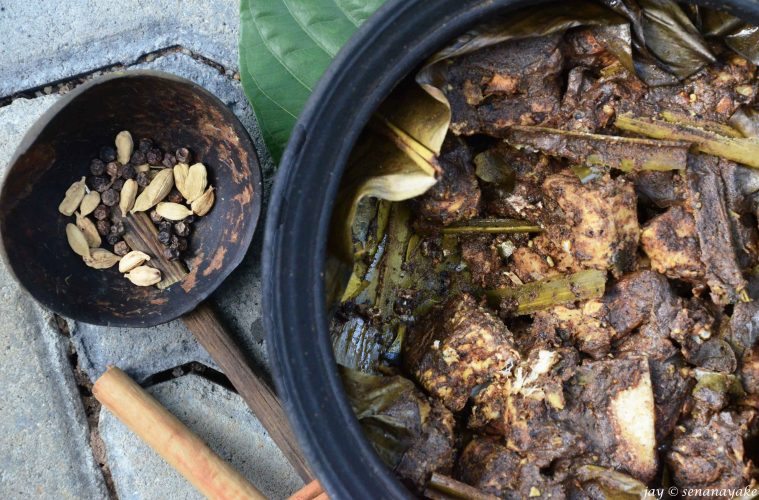
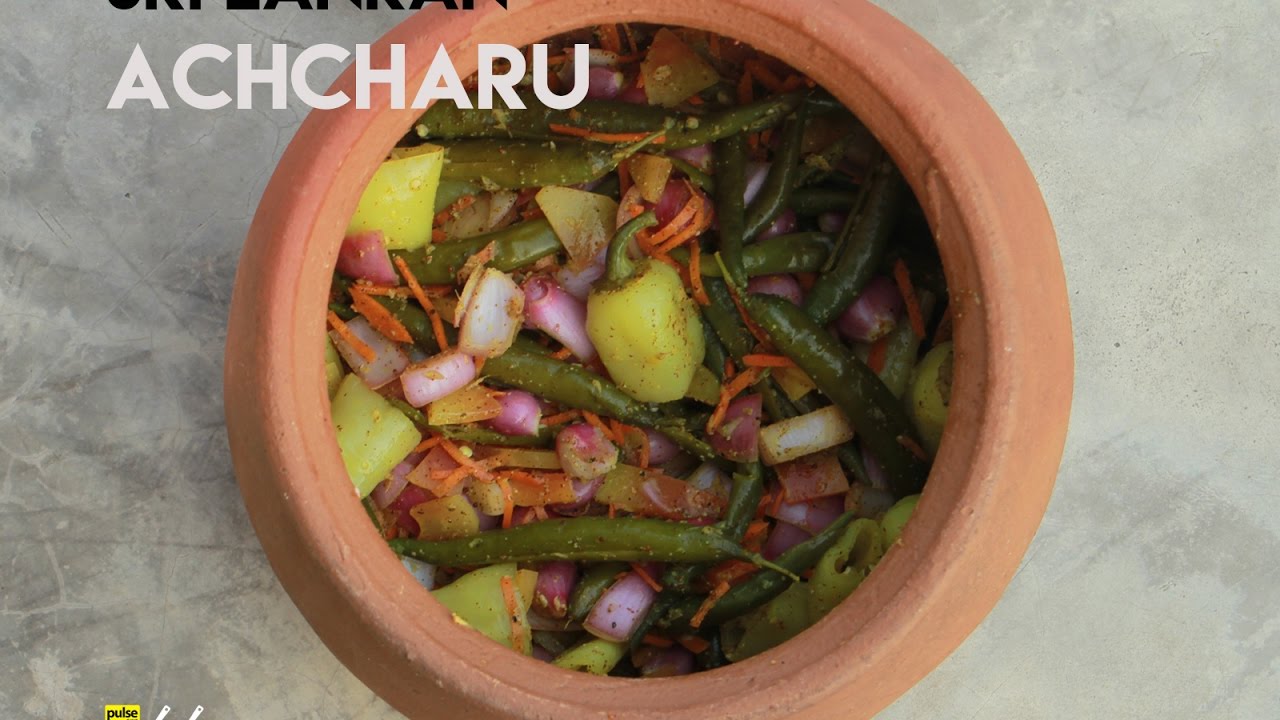
Spices such as Cloves, Cardamoms, nutmeg and pepper are found in abundance throughout Kandy and Matale District in Central region of Sri Lanka. Eastern province constitutes three major ethnic groups. Sinhala, Muslim and Tamil, Chena cultivation, Game meat from nearby forests and dry Weather have influenced many food items. Staple diet of Sri Lanka is ‘Rice and curry’ the word ‘curry’ converting a multitude of dishes which are made according to different methods of cooking from Soups, meat, Sea food, Lentils, Vegetables, Sambols, Mallums, Phies to Achcharus.
Curd and Treacle and Sweetmeats made from Rice flour and palm treacle, jiggery along with various types of fruits are additions to the meal as the dessert. The Palm, Coconut, Kithul, Palmyra from which the treacle is made will vary accordingly.
Sri Lankans also like several juicy sweetmeats like Kavum, kokis, Halape, Thalaguli and Watalappan etc. Sri Lankans also like to have drinks like tea and coffee.
Foods Highlights
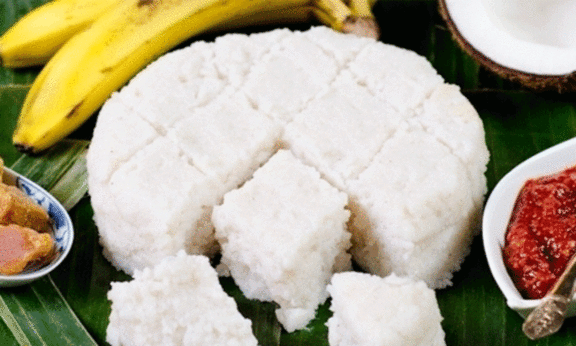
Milk Rice (Kiri Bath)
Milk rice or Kiribath is a traditional Sri Lankan dish made from rice. It is a popular festive dish or any auspicious moment. The dish is prepared by cooking rice with coconut milk, hence this name. The recipe for Kiribath is fairly simple.
Rice and Curry in Sri Lanka
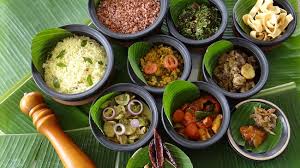
Rice is the staple food of the Sri Lankan. Almost every household in Sri Lanka takes rice and curry as its main meal. Meat, fish and vegetables are prepared as curries. Sliced onions, green chilies, black pepper, cinnamon, cardamom, cloves, nutmeg and saffron are used to add flavors. A basic rice and curry requires one fish (or beef or chicken) curry, two different vegetables, one portion of fried crispy stuff like ‘papa dam’, a ‘Mallums’ of chopped leaves and coconut, and a gravy or ‘hodda’ of spiced and cooked with coconut milk.
Sour fish curry (Malu Ambul thiyal)
Malu Ambulthiyal a unique spicy fish preparation with thick gamboges ‘Goraka’ paste. This is a very popular dish of a fish steak (usually an oily fish like kingfish) in a sour curry sauce. Sri Lanka has a great selection of delicious fish. Best accompaniment if you want to bring down a few blocks of milk rice or a few hoppers and pittu as well.
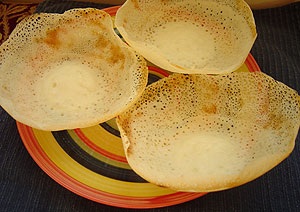
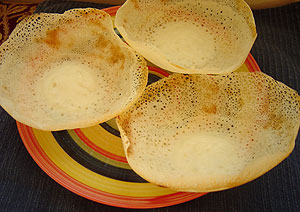
Hoppers (Appa)
There are various types of Hoppers in Sri Lanka. Plain hoppers, egg hoppers, milk hoppers, honey hoppers and string hoppers.
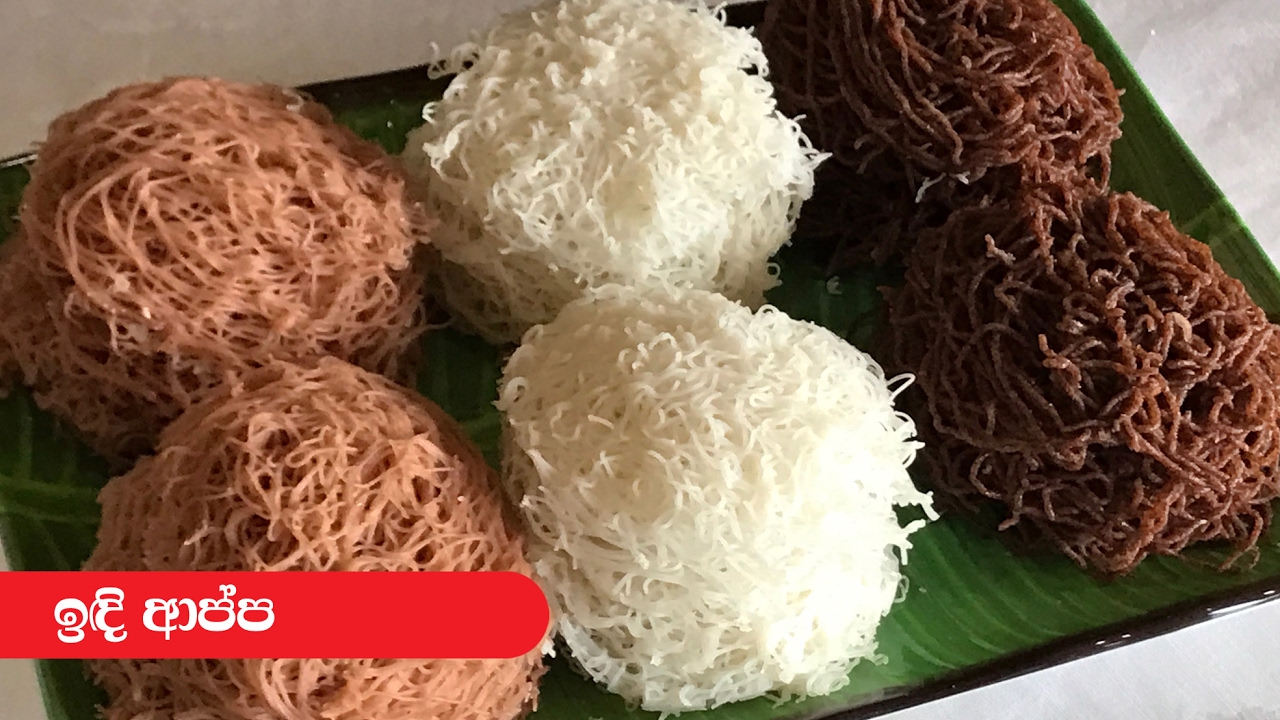
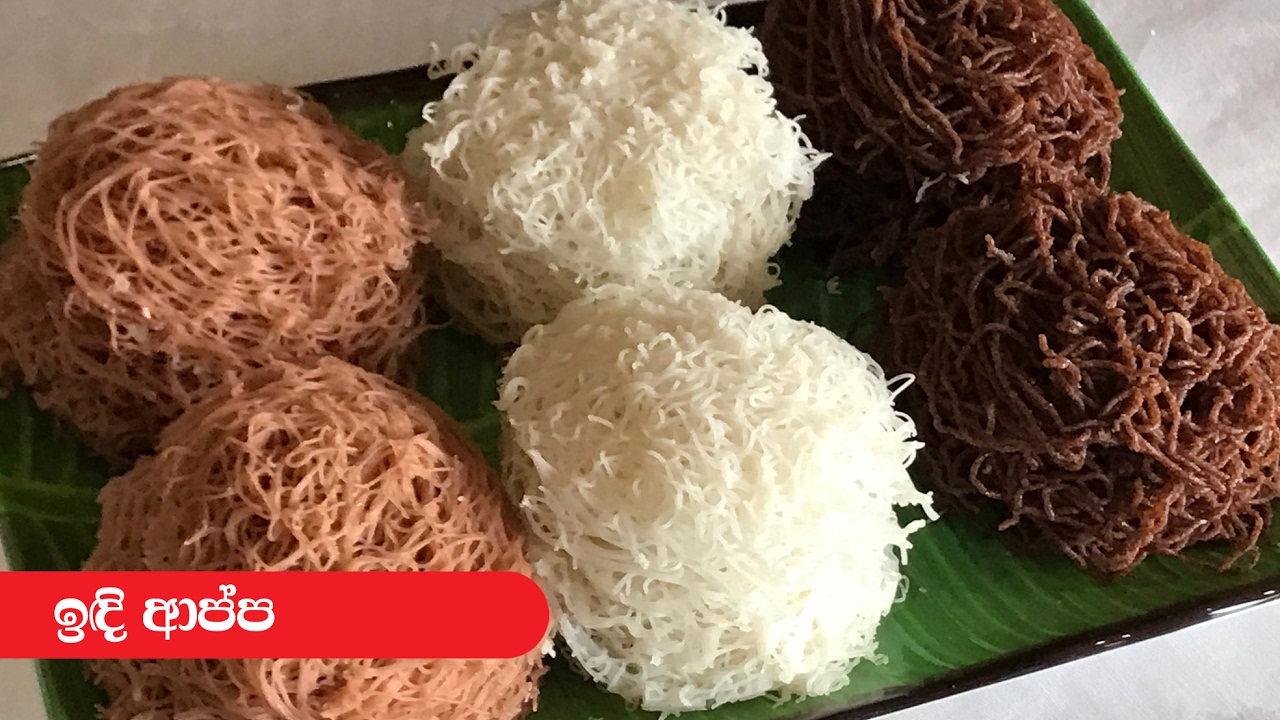
String hoppers (Indiappa)
String hoppers is made from rice noodles curled into flat spirals. It is served for breakfast and dinner with a thin fish or chicken curry, containing only one or two pieces of meat, a dhal dish, and a spicy sambol or fresh chutney.
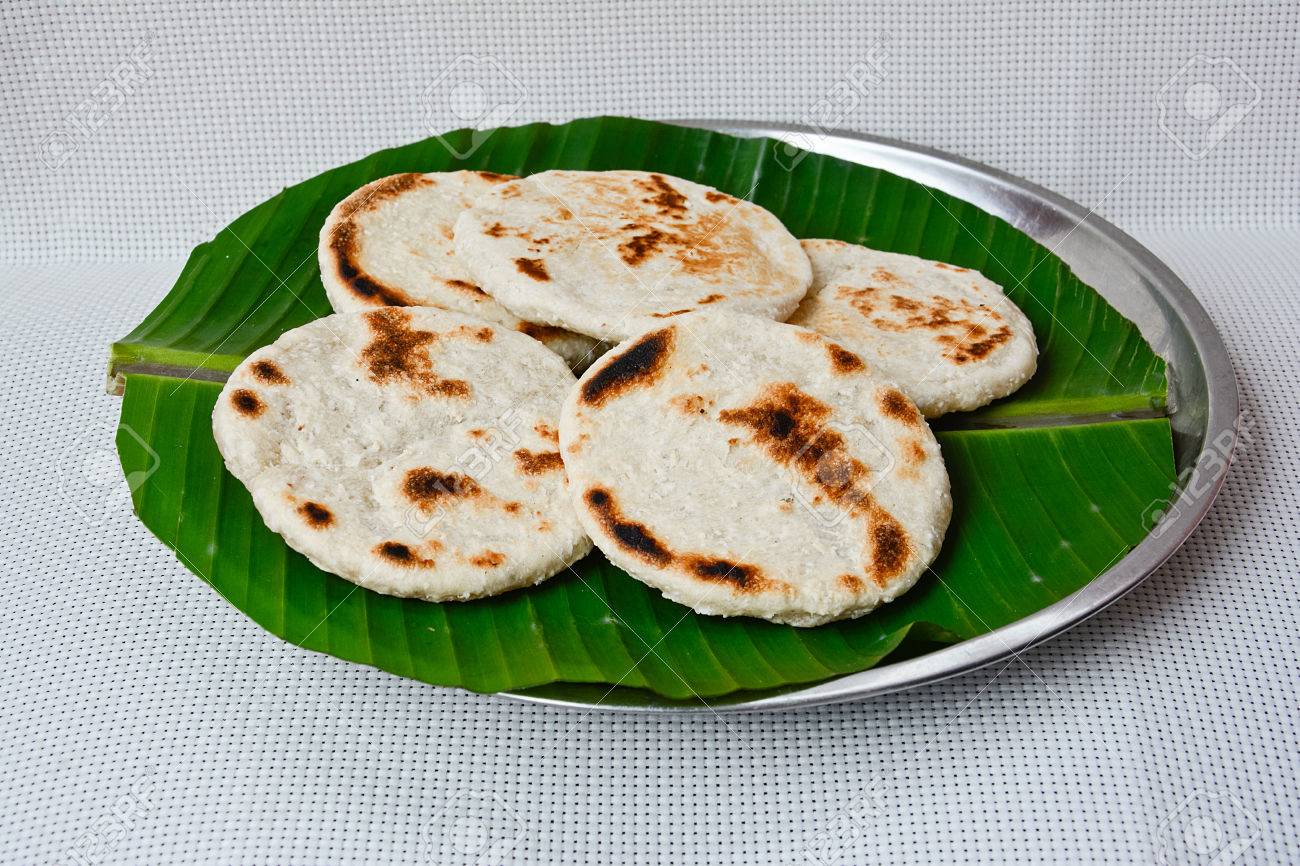
Coconut Roti
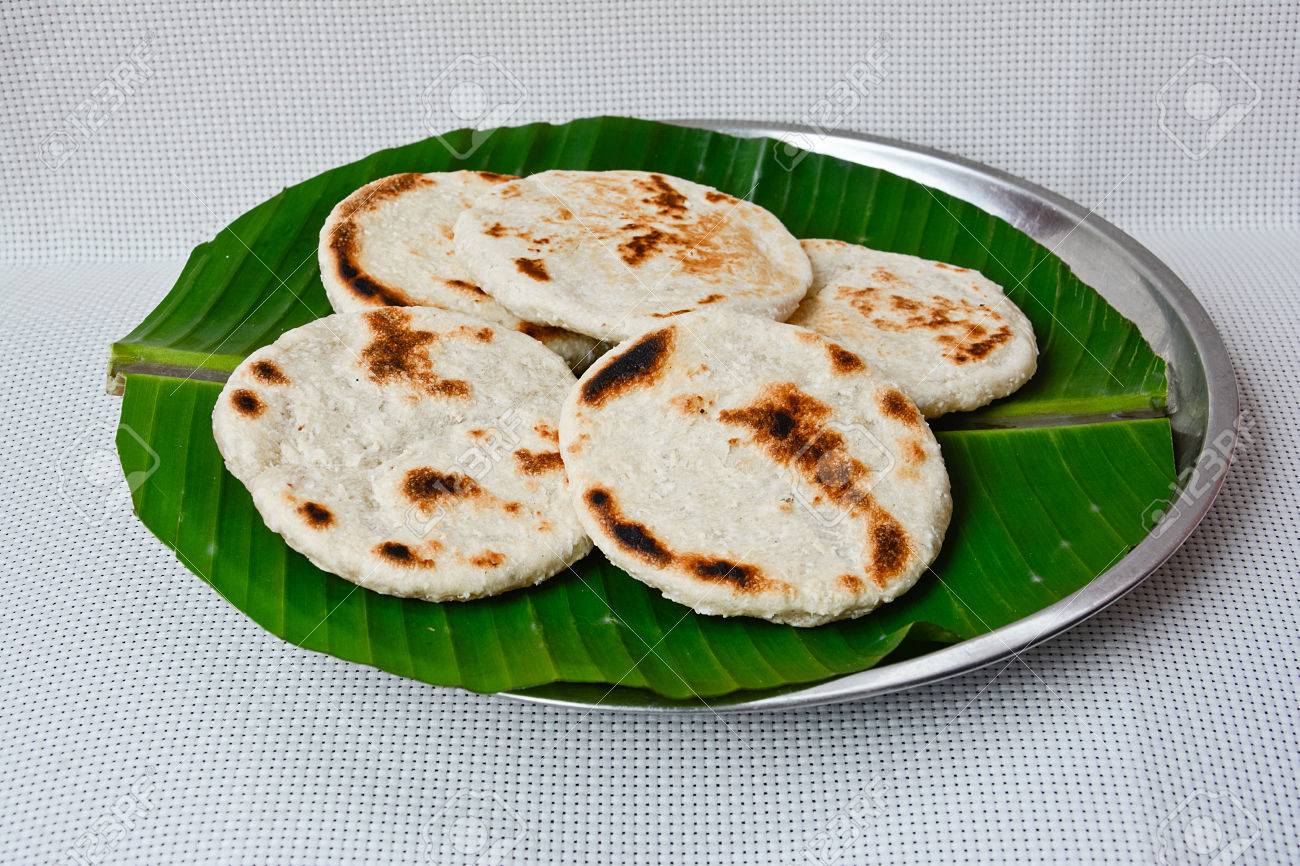
Roti is a quick meal- and easy to prepare. Wheat, rice or kurakkan (Eleusine coracana, a strongly flavored brown millet)-meal is mixed with fresh grated coconut and a touch of oil and baked on a hot griddle in thin flat cakes.Roti is equally good with chillie relish or with syrup.
Shallots, green chillies, curry leaves and Maldive (cured) fish flakes are akked to ring in the changes. In Sri Lanka also have koththu roti and godamba roti as well.
Koththu Roti
Kothu roti is made from Gothamba roti and vegetables, eggs, or meat and various spices. It is a delicious meal generally eaten at dinner time. Apart from the commonest form of Kothu with meat, eggs or vegetables a newer variety with cheese has been introduced. The Gothamba roti is cut or chopped with the use of two metal blades on wooden handles held on both hands on this sheet or skillet.
The clashing of metal blades and the skillet creates a very distinctive musical sound which kind of announces the making of this Kothu to the passersby. This can be made using Parotta and that is how this is made in South India where Parotta is popular as with Gothamba roti in Sri Lanka. The ingredients and method are the same as for Kothu roti using Gothamba roti.
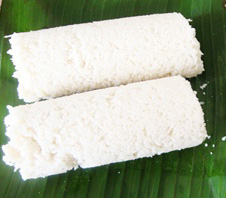
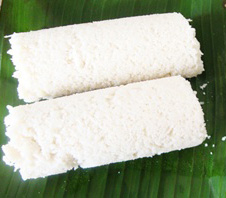
Pittu
Pittu is a popular and frequently prepared food item among Sri Lankans, both Tamils living in Northern and Eastern parts of Sri lanka as well as Sinhalese living in the rest of the areas of the country.
Traditionally the main ingredient of “Pittu” is rice flour, but kurakkan flour or wheat flour also can be used.
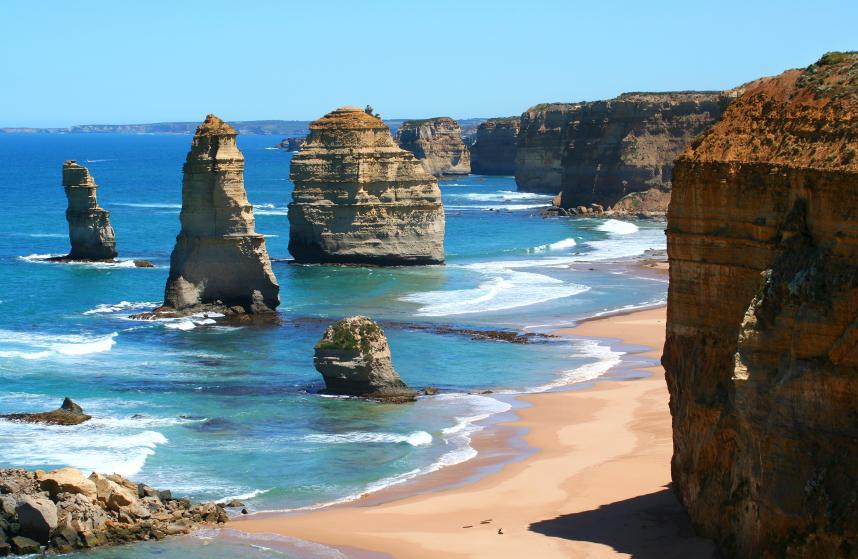
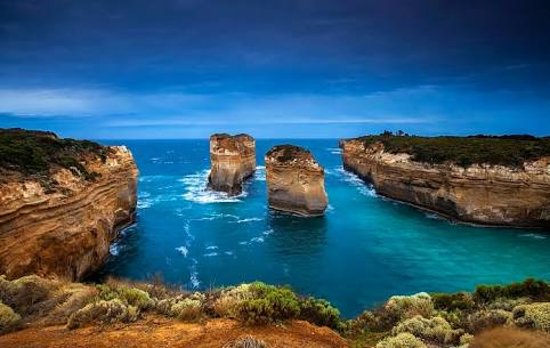
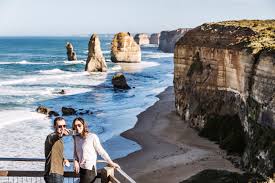
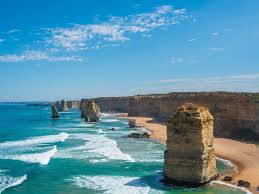
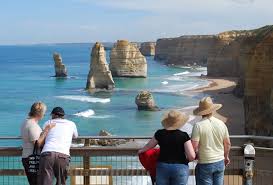
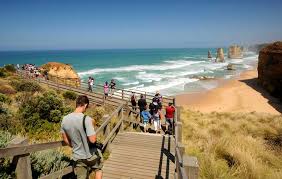
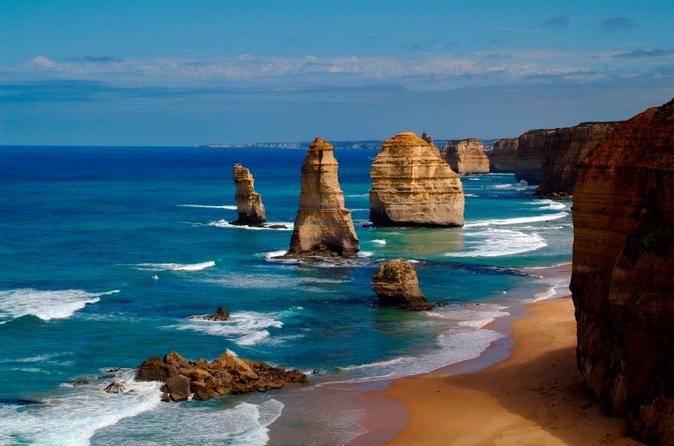
The Twelve Apostles is a collection of limestone stacks off the
shore of Port Campbell National Park, by the Great Ocean Road in Victoria,
Australia. Their proximity to one another has made the site a popular tourist
attraction. Witness the rugged splendour of the famous 12 Apostles, magnificent
rock stacks that rise up majestically from the Southern Ocean on Victoria’s
dramatic coastline.
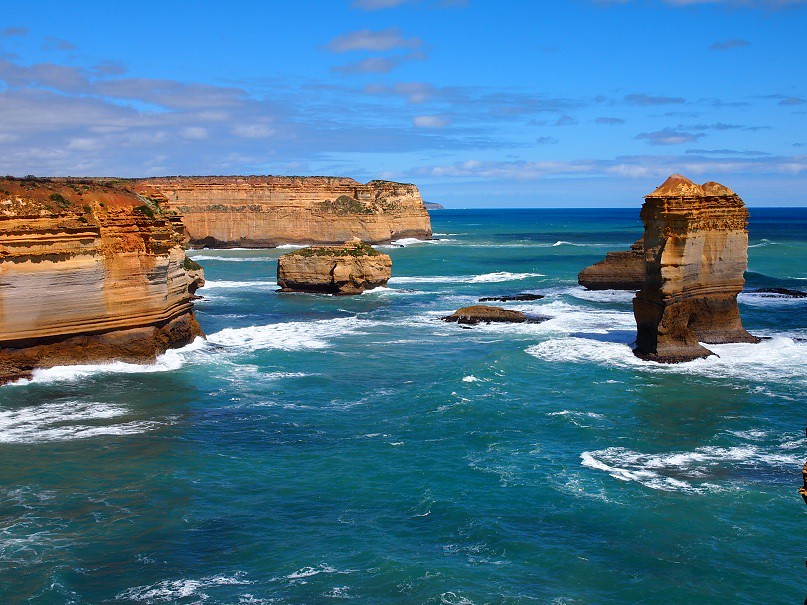
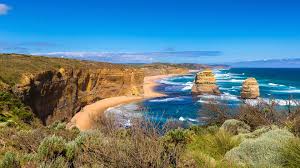
Limestone cliffs
Created by constant erosion of the limestone cliffs of the mainland beginning
10–20 million years ago, the stormy Southern Ocean and blasting winds gradually
eroded the softer limestone, forming caves in the cliffs.
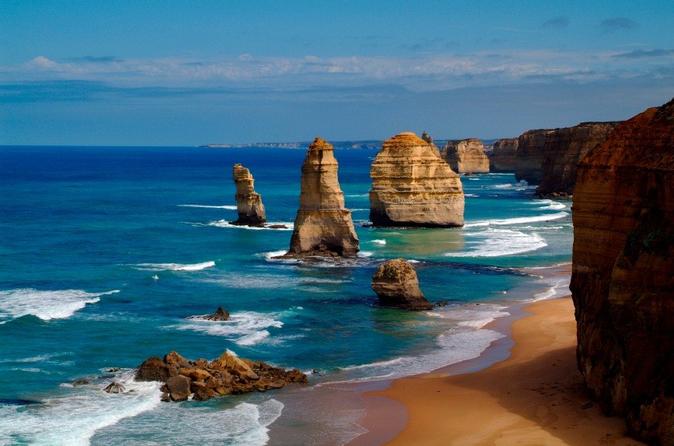
The caves eventually became arches and when they collapsed rock
stacks up to 45 metres high were left isolated from the shore. View the 12 Apostles
at sunrise and sunset as they change colour from dark and foreboding in shadow
to brilliant sandy yellow under a full sun.
The History of 12 Apostles
The Southern coast of Australia is carved by the winding Great Ocean Road, and
while there are plenty of attractions along the way, there are none quite as
iconic as the incredible 12 Apostles. These magnificent limestone stacks tower
above the rough water of the Shipwreck Coast and have become a popular tourist
destination for people from around the world.
Located on the border of the Port Campbell National Park in Victoria, this has
become the highlight for all who take the trip along the Great Ocean Road.
Although they are called the 12 Apostles, there are only 8 pillars left with
the ninth having collapsed because of erosion in July of 2005. Since the crash
of this 50 m high apostle, the tallest one is now only 45 m, which is still
unquestionably impressive. These formations were not always called the 12
Apostles, though, before this, they were known as the Sow and Piglets, the sow
being the nearby Mutton Bird Island and the piglets being the 12 Apostles.
Over thousands and thousands of years these apostles have been
subject to the ocean’s might, and as the wind and waves have buffeted the
cliffs of Shipwreck Coast, the earth has eroded away, leaving behind a handful
of pillars in its wake. When you take a closer look at them, you’ll find that
these stacks are made up of layers of varying soil types, the main one being
the limestone, but the others being a mixture of clay and mudstone. This is the
reason for the irregular shape of the erosion. The mudstone and clay layers
tend to be narrower because of the lower density of the soil, which is much
more easily eroded by the weather than the slightly denser limestone. Each year
the waves eat away on average another 2cm of limestone at the base of these
pillars.
These spectacular stacks of limestone are spread out along 17 km
of the Shipwreck Coast, providing an incredibly scenic drive alongside one of
Australia’s most beautiful roads. The very best time to view them is during
sunrise or sunset, as the limestone is illuminated by the fiery orange light of
the sun, presenting you with a glorious photo opportunity of the Apostles in
all their splendour.
The beautiful pillars along the Shipwreck Coast known as the 12
Apostles have a rich and exciting history that has led them to become iconic
Australian rock formations. Around the shores of the 12 Apostles you can also
escape the sand and the sea to explore the delightful gem like towns that
populate the coast, you can walk for hours along the ragged carved cliffs and
you can even traverse the canopied trails and blooming bright flora of the
rainforest. The 12 apostles are a mighty sight and will capture your soul in an
instance.
The most interesting facts in 12 Apostle, Australia
•The huge rock stacks rise up to the southern great ocean road.
•The limestone cliffs are created by storms and blasting winds, gradually
soften the limestone, foaming caves in the cliffs
•There are only eight apostles left remains are fallen
•The most recent one collapsed on 03rd July 2005
•This is the great Romantic destination where people love to visit
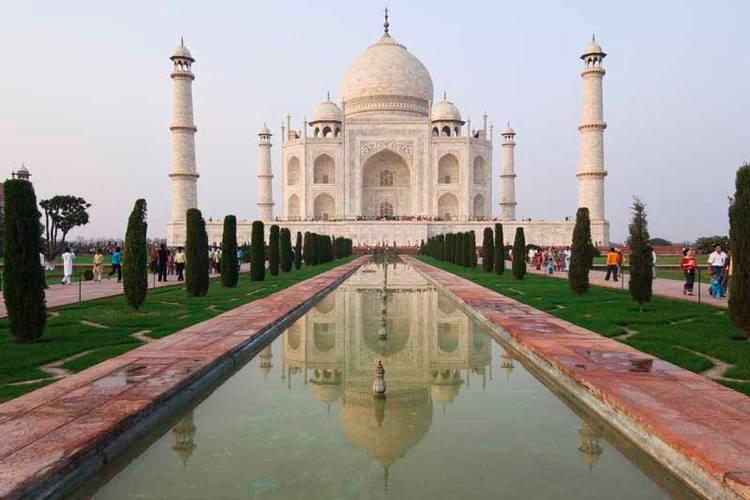
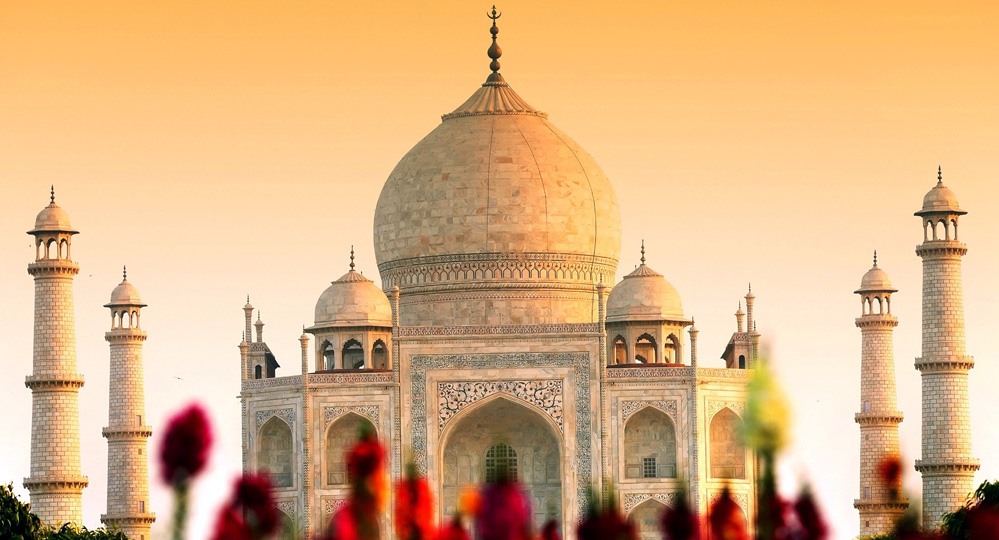
An immense mausoleum of white marble, built in Agra between 1631 and 1648 by order of the Mughal emperor Shah Jahan in memory of his favourite wife, the Taj Mahal is the jewel of Muslim art in India and one of the universally admired masterpieces of the world’s heritage.
THE TAJ MAHAL is widely considered one of the most beautiful buildings ever created. The exquisite marble structure in Agra, India, is a mausoleum, an enduring monument to the love of a husband for his favourite wife. It’s also an eternal testament to the artistic and scientific accomplishments of a wealthy empire.
Shah Jahan, “the King of the World,” took control of the Mughal Empire throne in 1628 very much in love with the queen he dubbed Mumtaz Mahal or “Chosen One of the Palace.” The poets at Agra’s Mughal court said her beauty was such that the moon hid its face in shame before her. The Mughals were at the peak of their power and wealth during Shah Jahan’s reign, and India’s rich lode of precious gems yielded him much wealth and power. But he was powerless to stop Mumtaz Mahal’s death during childbirth in 1631. Legend has it that she bound him with a deathbed promise to build her the most beautiful tomb ever known. Promise or no, Shah Jahan poured his passion and wealth into the creation of just such a monument. It is said that 20,000 stone carvers, masons, and artists from across India and as far as Turkey and Iraq were employed under a team of architects to build the Taj Mahal in the lush gardens on the banks of Agra’s Jamuna River. They completed the epic task between 1631 and 1648.
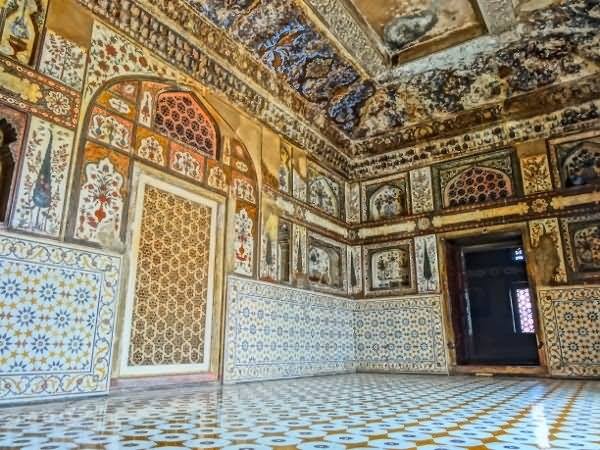
While the arch-and-dome profile of clean white marble has become iconic, other beauties lie in the Taj Mahal’s painstaking details: inlaid semiprecious stones and carvings and Koranic verse in calligraphy create an enchanting interior space where Shah Jahan came to visit his wife’s remains before he was eventually interred at her side.
EXPLORE OUR DESTINATIONS
The Taj Mahal’s familiar marble domes are framed by four minarets from which Muslims are called to prayer. Each is designed with a slight outward lean, presumably to protect the main mausoleum in case one of them should collapse. Two red sandstone buildings also flank the main mausoleum on either side. One, to the west, is a mosque. The other is a former guesthouse.
These buildings are set within lush gardens, complete with an enormous reflecting pool that regularly does what no human has ever been able to accomplish—duplicate the beauty of the Taj Mahal.
Shah Jahan himself gazed upon that beautiful image until the end of his days—but as a prisoner, not a ruler. His son Aurangzeb seized the Mughal throne and imprisoned his father in Agra’s Red Fort (itself a World Heritage site and popular tourist attraction). Whether as consolation or torture, Shah Jahan commanded a view of the Taj Mahal from his window.
While the arch-and-dome profile of clean white marble has become iconic, other beauties lie in the Taj Mahal’s painstaking details: inlaid semiprecious stones and carvings and Koranic verse in calligraphy create an enchanting interior space where Shah Jahan came to visit his wife’s remains before he was eventually interred at her side.
The Taj Mahal’s familiar marble domes are framed by four minarets from which Muslims are called to prayer. Each is designed with a slight outward lean, presumably to protect the main mausoleum in case one of them should collapse. Two red sandstone buildings also flank the main mausoleum on either side. One, to the west, is a mosque. The other is a former guesthouse.
These buildings are set within lush gardens, complete with an enormous reflecting pool that regularly does what no human has ever been able to accomplish—duplicate the beauty of the Taj Mahal.
Shah Jahan himself gazed upon that beautiful image until the end of his days—but as a prisoner, not a ruler. His son Aurangzeb seized the Mughal throne and imprisoned his father in Agra’s Red Fort (itself a World Heritage site and popular tourist attraction). Whether as consolation or torture, Shah Jahan commanded a view of the Taj Mahal from his window.
Come to ‘The Taj’ with blissful pride! Bring the saga come alive!!






 Sri Lanka Pearl of Asia